A Non-Governmental Organization dedicated to the empowerment and protection of women and children has intensified calls for parliament to prioritise legislation aimed at protecting women and children against violence in Cameroon.
The League for the Education of Women and Children, known by its French language acronym as LEFE, has challenged members of the National Assembly to use the November 2026 parliamentary session to advance two key legal instruments: a strong law against violence against women and children, and the long-awaited Code of Persons and the Family.
The appeal comes as parliamentarians convene for the third and last ordinary session of the 2026 legislative year, with the NGO warning that the 10th legislative period is drawing to a close. With voters scheduled to elect a new National Assembly and municipal councillors on February 7, 2027, LEFE says the current parliament has one final opportunity to deliver the reforms.

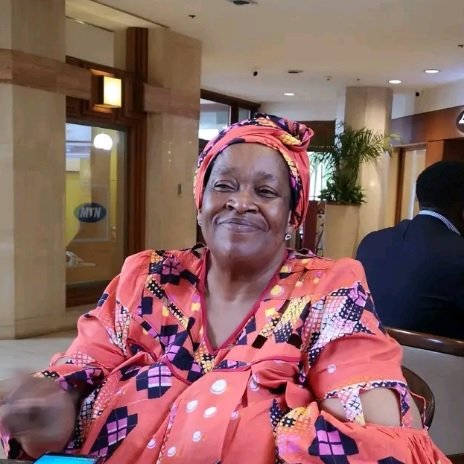
“Honourable Members of the National Assembly, many of you will not return,” reads part of the public advocacy campaign led by the NGO’s president, Pauline Biyong, urging parliamentarians to leave a lasting legacy through legislation protecting women and children.
The campaign comes amid growing concern over gender-based violence, particularly the rising number of women killed in circumstances linked to domestic and intimate-partner violence.
Speaking before the National Assembly in June, the Minister of Women’s Empowerment and the Family, Prof. Marie-Therese Abena Ondoa, disclosed that recorded femicide cases increased from 56 in 2023 to 77 in 2025. Between January and April 2026 alone, authorities recorded 50 femicides and 166 cases of rape involving women and girls.
The figures have heightened calls by civil society organisations for stronger legal safeguards, effective prevention mechanisms and improved access to justice for survivors.
Call for concerted action
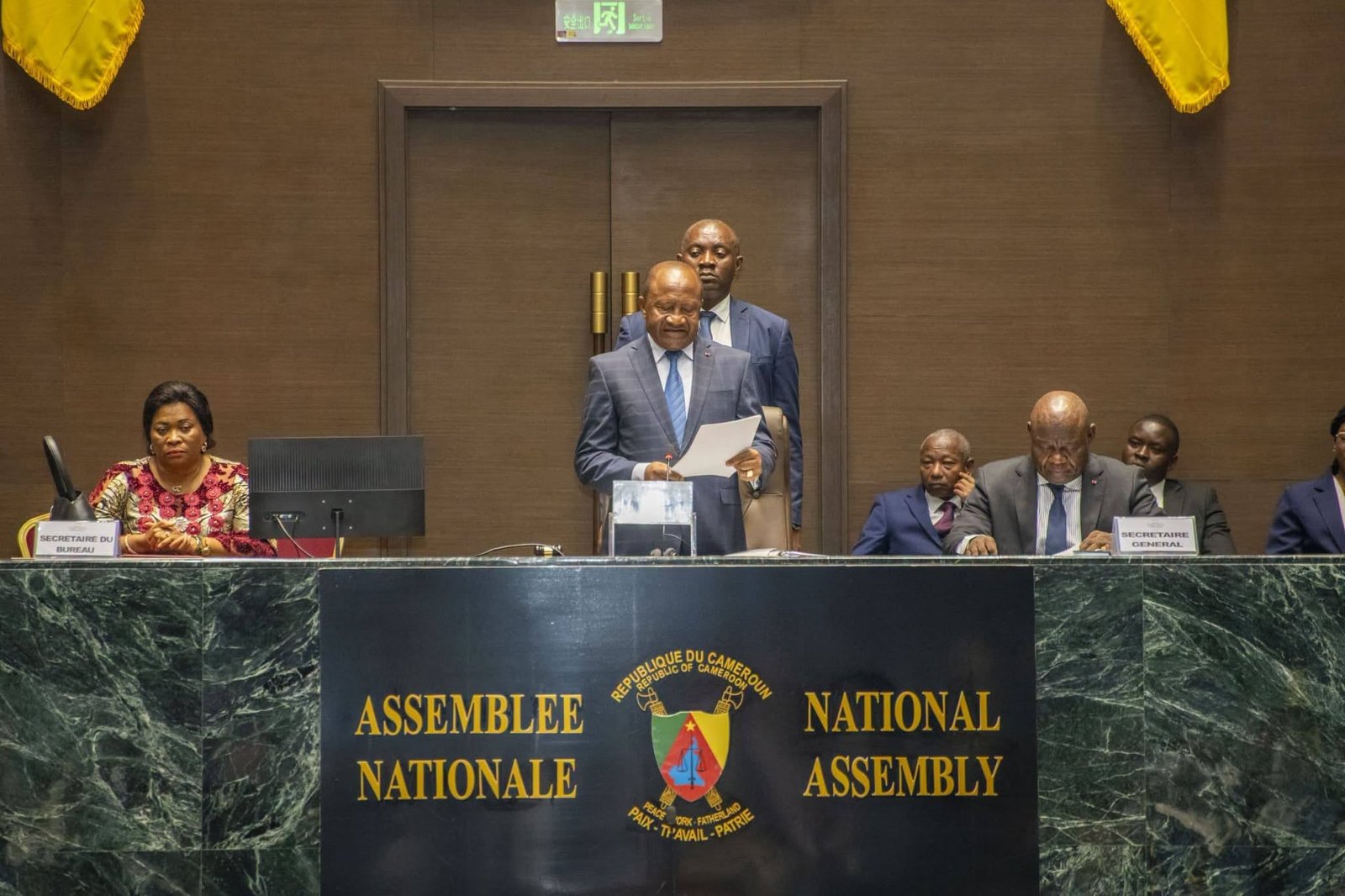
At the opening of the November parliamentary session in Yaounde on Tuesday, November 10, the Speaker of the National Assembly, Rt. Hon. Theodore Datouo, also condemned the rising cases of violence against women and femicides, calling for concerted action by families, administrative, judicial and traditional authorities, civil society organisations and public institutions.
He described the growing number of women subjected to violence, some of whom eventually lose their lives, as a painful reality that should prick the nation’s collective conscience. Such incidents, he insisted, should not be treated as ordinary news stories but as a national concern requiring urgent intervention.
“Femicides which cause families to mourn and generally leave people in consternation cannot be seen as mere news items,” Datouo said, adding that “responding to such acts of violence with indignation is no longer enough. We must act, prevent, protect and mete out sanctions.”

Minister Abena Ondoa had earlier disclosed that a bill seeking to establish femicide as a standalone criminal offence and strengthen the protection of women and girls had been finalised and was undergoing review at the Prime Minister’s Office. However, Datouo did not say whether the proposed legislation had been transmitted to parliament.
Beyond legislation against violence, LEFE is advocating the adoption of the Code of Persons and the Family, which it says would promote equality, provide greater legal security for families and strengthen children’s rights. The proposed code is expected to address issues relating to marriage, family responsibilities, children’s rights and equality within the family.
Although the November session is principally devoted to examining and adopting the 2027 State budget, LEFE insists that parliament’s legislative agenda should go beyond routine business to address these pressing concerns.
“Your silence = complicity. History will remember,” the organisation warns, urging lawmakers to vote for the proposed reforms.