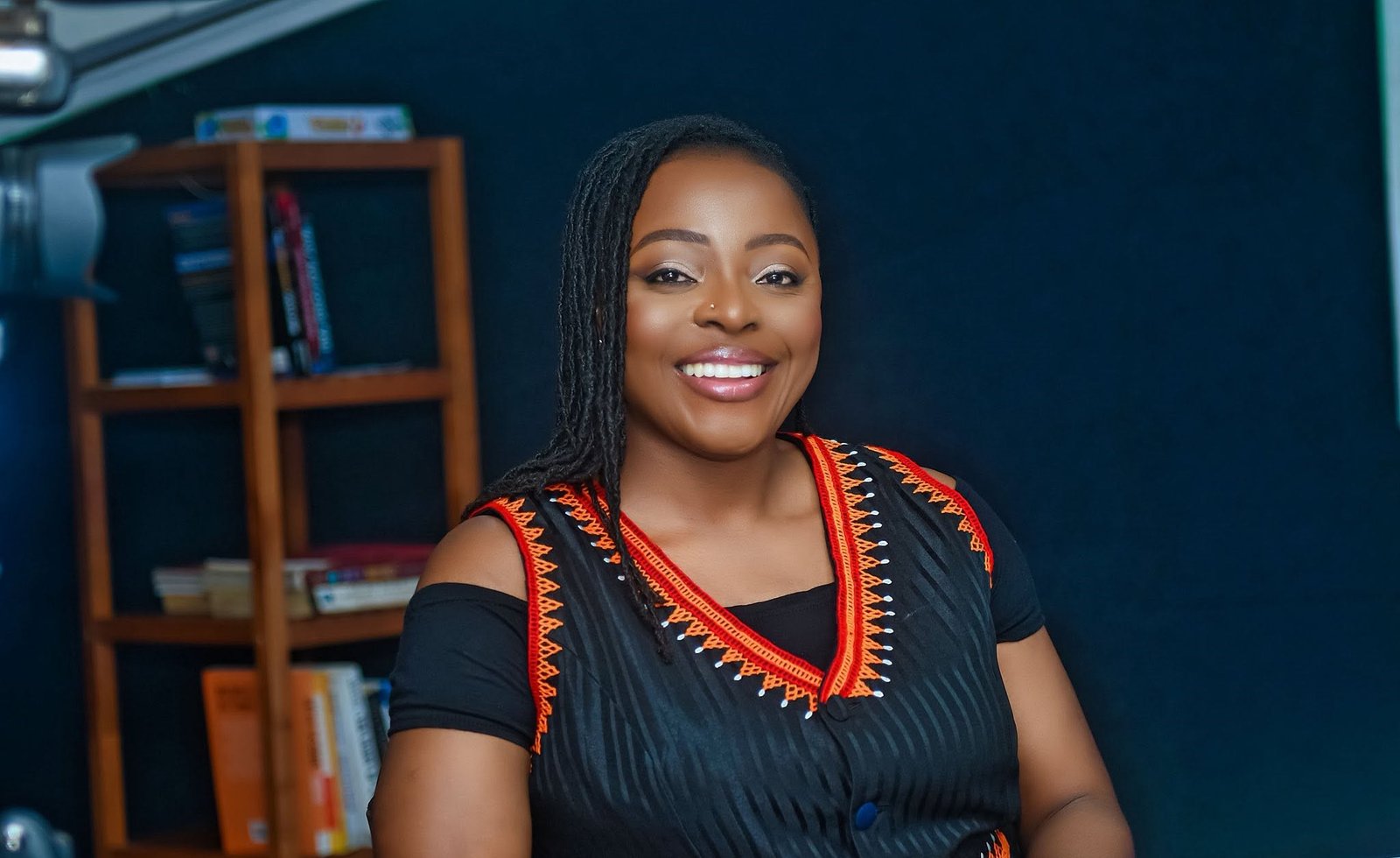
Multi-award-winning Cameroonian journalist, gender and disability rights advocate Comfort Mussa, known by her pen name Commy Mussa, has announced the publication of her maiden book this August.
Published by Cameroon-based literary and cultural platform Bakwa Books, the 86-page novella entitled: The Shape of Unbroken Things, is a work of young adult fiction that captures the fragile intensity of adolescence.
The bilingual publication will be available in both braille and audio formats, extending reach to diverse readers. The story follows Iya, who rebuilds her identity after a life-altering amputation, and her friendship with Mambo, another girl living with disabilities. It explores adolescence, friendship, and self-imagination through art and mutual recognition.

Speaking to NewsWatch ahead of the book’s official launch, Mussa said she was inspired to write the book by a gap she noticed in literature available to young people, particularly in Cameroon. She said she wanted to write a story that young readers could easily connect with.
In the following exclusive interview with NewsWatch Editor-in-Chief Ndi Eugene Ndi, Mussa also talks about her personal experiences and conversations she hopes her novella will spark, as well as her views on how to help more Cameroonian writers thrive and reach wider audiences.
Read on:
You have built a reputation as a journalist and storyteller. What inspired you to extend your storytelling into the literary world at this stage of your career, and what do you hope readers will take away from your book, The Shape of Unbroken Things/Ce Qu’on Ne Brise Pas?
Storytelling has always been at the heart of my work. As a journalist, I have spent years documenting real lives, amplifying underreported voices, and helping communities tell their stories with dignity and authenticity. Fiction felt like a natural extension of that work because it allows me to explore emotional and imaginative spaces that journalism sometimes cannot fully capture.
I was also inspired by a gap I noticed in literature available to young people, particularly in Cameroon. I wanted to write a story that young readers could genuinely see themselves in and connect with. Through my nearly nine years of work with adolescents under the 100% Jeune programme and other youth-focused initiatives, I had the privilege of listening to young people’s hopes, fears, struggles, and aspirations. Those experiences gave me a deeper understanding of adolescence as both a fragile and powerful stage of life, and they heavily influenced this novella.
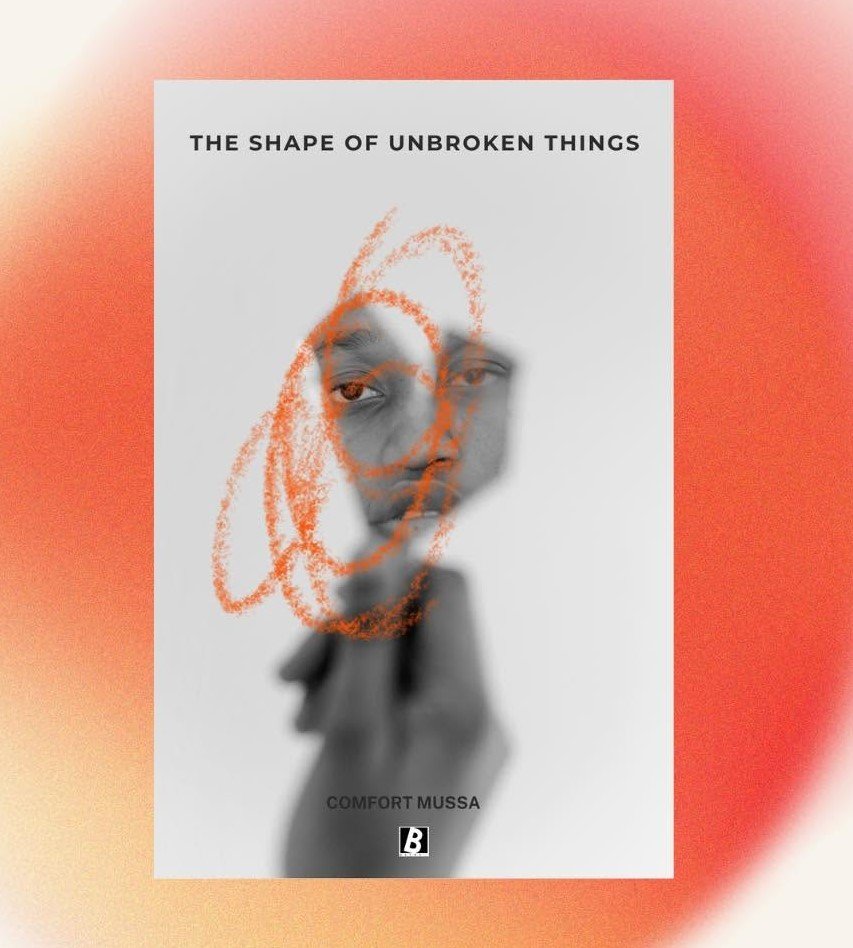
Beyond the story itself, I want the publication to reflect the values it promotes. The book will be released simultaneously as a bilingual English-French tête-bêche edition, in English and French Braille, as an eBook, and later as an audiobook. Too often accessibility is treated as an afterthought. We wanted to make it part of the publishing process from the beginning.
I hope readers come away with empathy, hope, and a deeper appreciation of human dignity. More importantly, I hope they understand that challenges may shape us, but they do not define us. There are parts of every person that remain resilient, beautiful, and unbroken.
Many of your works have explored themes that resonate with Cameroonian and African realities. How does this book reflect your personal experiences, observations, or vision for society, and what conversations are you hoping it will spark?
The novella is deeply influenced by both my personal experiences and my professional journey as a journalist and disability rights advocate. For years, I have documented stories of people who are often overlooked or misunderstood, particularly women, young people, and persons with disabilities. Those encounters have taught me a great deal about resilience, but also about the barriers society continues to create.
While the story is fictional, many of its themes reflect realities that young people across Cameroon and Africa encounter every day. Feelings of exclusion, the search for identity, questions of belonging, experiences of prejudice, and the need for genuine friendship are universal experiences.
I also wanted to challenge the way disability is often represented in literature. Too frequently, people with disabilities appear only as symbols of tragedy or inspiration. In this novella, disability is part of the characters’ lives, but it does not define the entirety of who they are. They have dreams, fears, talents, flaws, and aspirations like everyone else.
The book also reflects my vision of a more inclusive society. A society where accessibility is considered from the beginning, not as an afterthought; where difference is valued rather than feared; and where everyone has equal opportunities to participate fully in education, culture, and community life.
I hope the novella sparks conversations about disability inclusion, representation in literature, accessible publishing, and the importance of creating spaces where all young people feel seen and valued. I would love readers to ask themselves a simple but important question: Who gets left out when we create stories, systems, and opportunities, and how can we do better?
Cameroon’s literary industry faces challenges ranging from publishing and distribution to cultivating a reading culture. Having now experienced the process as an author, what changes do you believe are needed to help more Cameroonian writers thrive and reach wider audiences?
Cameroon has extraordinary creative talent, but many writers struggle with structural barriers. Publishing opportunities remain limited, distribution channels are often weak, books can be difficult to access, and many writers face challenges reaching both local and international audiences.
We need stronger investment across the entire literary ecosystem. This includes support for publishers, authors, libraries, bookstores, literary festivals, reading clubs, and school-based reading programmes. We also need stronger mechanisms for promoting Cameroonian books within Africa and beyond.
One issue I believe deserves far more attention is accessibility. Discussions about diversity in publishing often focus on who is represented within books, which is important, but we must also ask who can access those books in the first place. Millions of people with disabilities around the world struggle to access literature because formats such as Braille and audio are still treated as optional additions rather than essential components.
Through this project, I wanted to demonstrate that inclusive publishing is both possible and necessary. Accessibility should not be an afterthought years after publication. It should be part of the publishing vision from the beginning.
I am grateful to Bakwa Books for working with me in this approach and helping to show that Cameroonian publishing can lead important conversations globally. Innovation in African publishing is not only about new stories; it is also about finding new ways to ensure those stories reach everyone.
Finally, many readers and admirers are eagerly awaiting the opportunity to get their copies of your book. What message would you like to share with them, and what can they expect when they finally turn the first page?
First, I want to express my sincere gratitude to everyone who has supported me throughout this journey. The encouragement I have received from readers, fellow writers, colleagues, friends, and advocates has been incredibly humbling.
When readers open The Shape of Unbroken Things, I hope they will enter the world of Iya and Mambo with open hearts. They can expect a story that is tender, thoughtful, and ultimately hopeful. It is a story about friendship, courage, identity, creativity, and the many ways people help one another heal and grow.
I also hope readers will see themselves somewhere within the pages. Whether it is in the desire to belong, the challenge of navigating change, the experience of feeling different, or the strength required to keep moving forward, I believe there are universal emotions that connect us all.
Beyond the story, I hope readers will appreciate what the publication itself represents. This project asks an important question: Who is a book for, and how can it reach them? I hope it encourages people to think not only about the stories we tell but also about who gets to access those stories.
Above all, I hope readers leave with a renewed belief in resilience, empathy, and human connection. Even when life changes us in unexpected ways, there are parts of us that remain whole, hopeful, and beautifully unbroken.
This interview was first published in NewsWatch newspaper No. 235 of Monday, July 27, 2026.