Despite its enormous biodiversity and forest wealth, the Congo Basin continues to struggle to attract climate financing commensurate with the value of its resources, prompting lawmakers from the region to seek a more science-driven approach to forest governance and international funding negotiations.
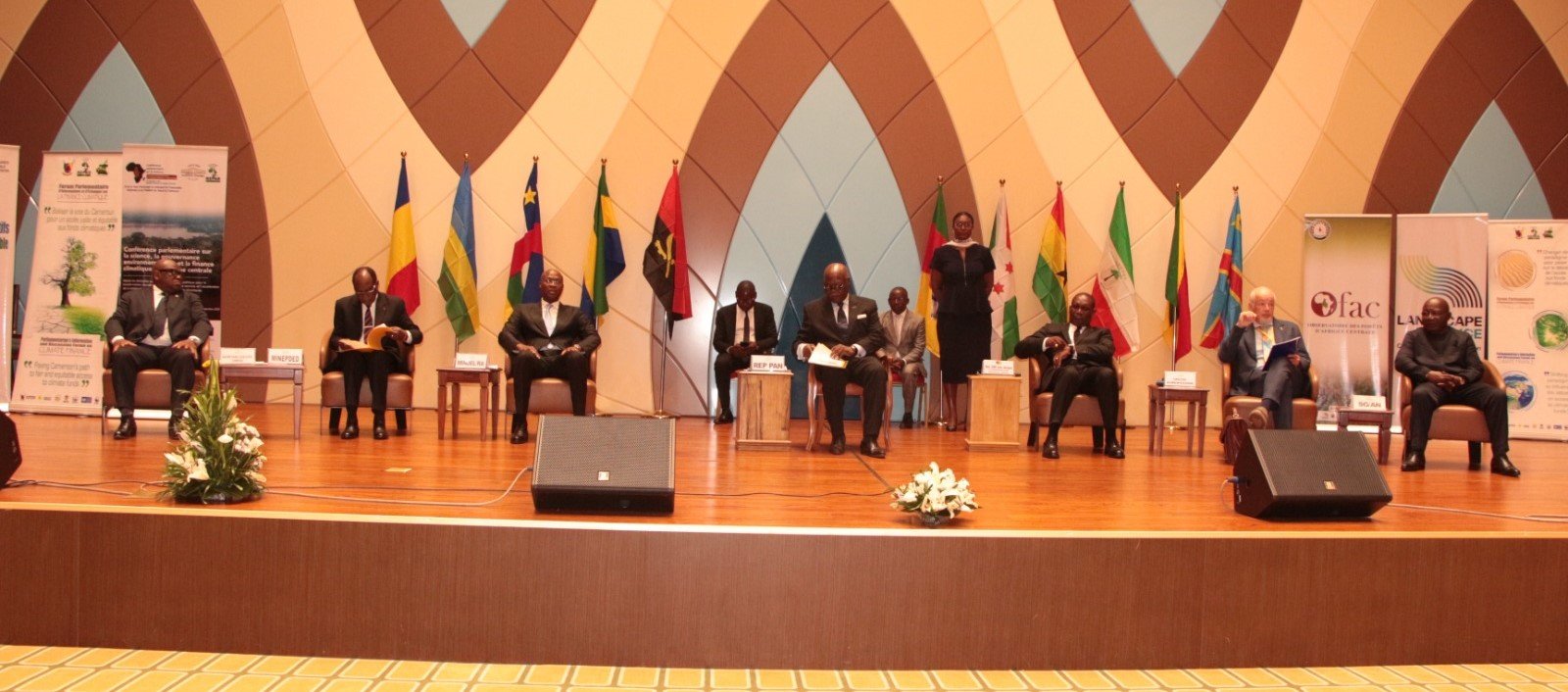
It is against this backdrop that Members of Parliament from the six Congo Basin countries have converged on Yaounde for a subregional conference seeking to put scientific data at the heart of policymaking on forest governance, environmental management and climate finance.
The three-day conference, which opened on Tuesday, September 22, 2026 brings together lawmakers from Cameroon, the Central African Republic, the Democratic Republic of Congo, Equatorial Guinea, Gabon and the Republic of Congo, alongside scientists, environmental experts and financial partners.

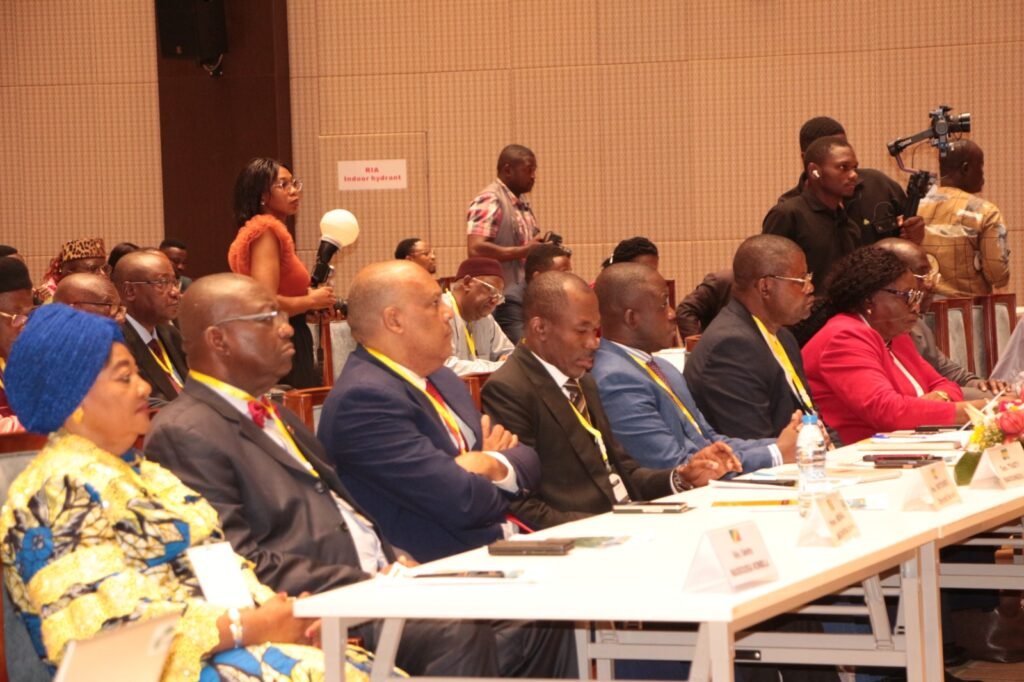
Convened by the Network of Parliamentarians for the Sustainable Management of Forest Ecosystems in Central Africa (REPAR), in collaboration with the Landscapes Alliance and the Central African Forest Commission (COMIFAC), the meeting is being held under the theme: “Placing data at the heart of policy decision-making for the sustainable transformation of Central African forests and accelerating the effective mobilization of climate finance.”
The conference seeks to strengthen political and parliamentary leadership in Central Africa by promoting the use of scientific data, analyses from the Central African Forest Observatory–Center of Excellence (OFAC-CE), and research findings in decisions relating to environmental governance, sustainable forest management and climate finance.
It is also aimed at enhancing parliamentarians’ understanding of climate finance, access to international funding, carbon markets, biodiversity credits and sustainable forestry financing.
Another objective is to promote the work of OFAC and increase awareness among parliamentarians, government authorities, public administrations, COMIFAC national coordination bodies and strategic partners of its platforms, reports and analytical products.
The opening ceremony at the National Assembly was chaired by the Senior Vice President of the House, Hon. Hilarion Etong, and attended by, among others, the Minister of the Environment, the Executive Secretary of COMIFAC and representatives of the European Union.
European Union representative Stephen Peedell said the conference provides an opportunity to bridge the gap between science and policymaking in order to improve forest governance in the Congo Basin while exploring innovative financing mechanisms for local communities.
“Landscape Alliance’s main area of work, is to generate knowledge and produce science. This knowledge must then inform policymaking”
Marie-Louise Avana-Tientcheu
For Cameroonian Senator Charles Mbella Moki, a REPAR member, the conference is particularly important because lawmakers are responsible for making laws and taking decisions that affect environmental governance.
“We legislate and make decisions, so we have to be abreast with the scientific data and governance,” he said, stressing that environmental governance and financing “has to match with the legal structure.”
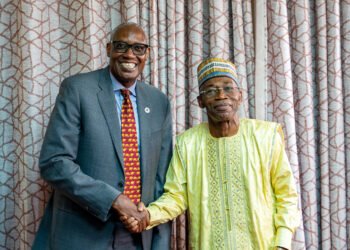
COMIFAC Executive Secretary Hervé Martial Maïdou said that despite the Congo Basin’s immense biodiversity and natural resources, countries in the region have not attracted financing commensurate with the value of those resources.
He said the conference is therefore seeking ways of capitalising on research results and improving financial planning in the different countries.
“It is important to present scientific findings when seeking funding. They show that you really master the subregion in order to attract financing that will be able to support the countries of the subregion for the good governance of its resources,” Maïdou said.
According to him, participating parliamentarians are expected to develop a roadmap to guide future international negotiations on financing for the Congo Basin forests.
“They will put research results at the centre of the discussions and decisions that member countries will take in the future,” he said.
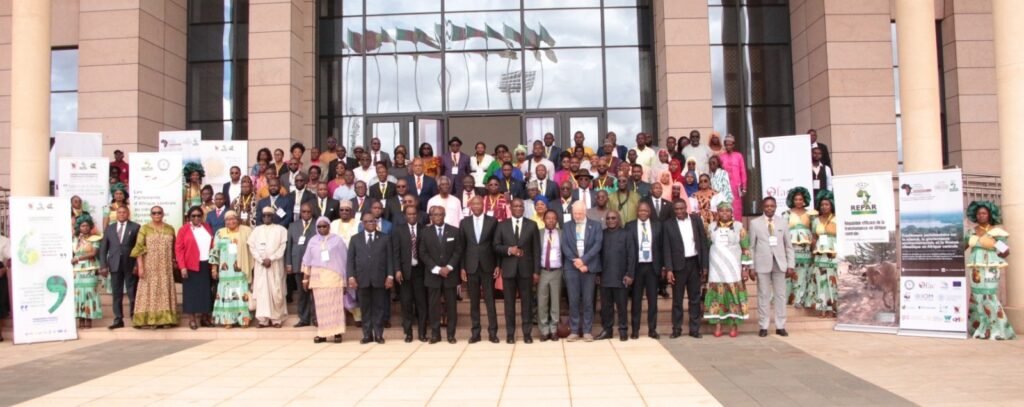
For the Landscapes Alliance, the conference offers an opportunity to strengthen the link between scientific research and political decision-making.
Marie-Louise Avana-Tientcheu, Deputy Coordinator of the Landscapes Alliance in Cameroon, said the organisation’s principal role is to generate scientific knowledge capable of informing policy decisions.
“Our major focus, our main area of work, is to generate knowledge and produce science with the aim of building knowledge. This knowledge must then inform policymaking,” she said.
She stressed that political decisions should be grounded in evidence gathered from communities and ecosystems on the ground.
“The link we make is that decisions taken at the political level should be based on real data from the field, on information and on what is actually being observed on the ground,” Avana-Tientcheu said. “This is how decisions can have an impact on all stakeholders.”
She said the challenge for the Landscapes Alliance is to serve as an interface between scientific research and policymakers, ensuring that the quality and nature of knowledge produced correspond to the quality and nature of decisions that need to be taken.
The conference is expected to conclude with recommendations and a roadmap aimed at strengthening the use of scientific evidence in environmental policymaking and improving access to climate finance for the Congo Basin countries.
This report was first published in NewsWatch Newspaper No 239 of Wednesday, September 23, 2026.