The Cameroon Parliament convened for the first ordinary session of the 2026 legislative year on Tuesday, March 10 in Yaounde, with calls for peaceful political engagement ahead of anticipated parliamentary and municipal elections in the country.
Described as “crucial”, the March 2026 ordinary session opens at a time of heightened national expectations following the re-election and swearing-in of Paul Biya after the October 2025 presidential election.
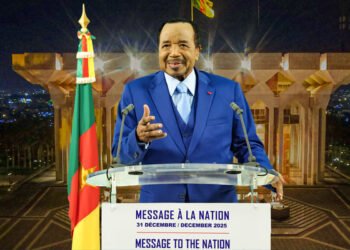
Speaking during his swearing-in ceremony on November 6, 2025 following his disputed electoral victory, Biya announced that the government would “submit to Parliament some reforms to enhance the State’s efficiency.”

Elected in February 2020 for a five-year mandate, Biya earlier extended the mandates of current members of the National Assembly—originally due to expire on March 10, 2025—by twelve months, after Parliament approved the move. The mandate of municipal councilors was also extended for the same period in accordance with Section 170(2) of the Electoral Code to allow the government organize local elections simultaneously, as has been the practice in previous years.
While many Cameroonians have been awaiting the organization of the delayed elections and the formation of a new government—as announced by the President in his New Year 2026 address to the nation—Biya indicated in his Youth Day address on February 10 that a “minor adjustment” would be required in the electoral calendar, signaling a possible further postponement.
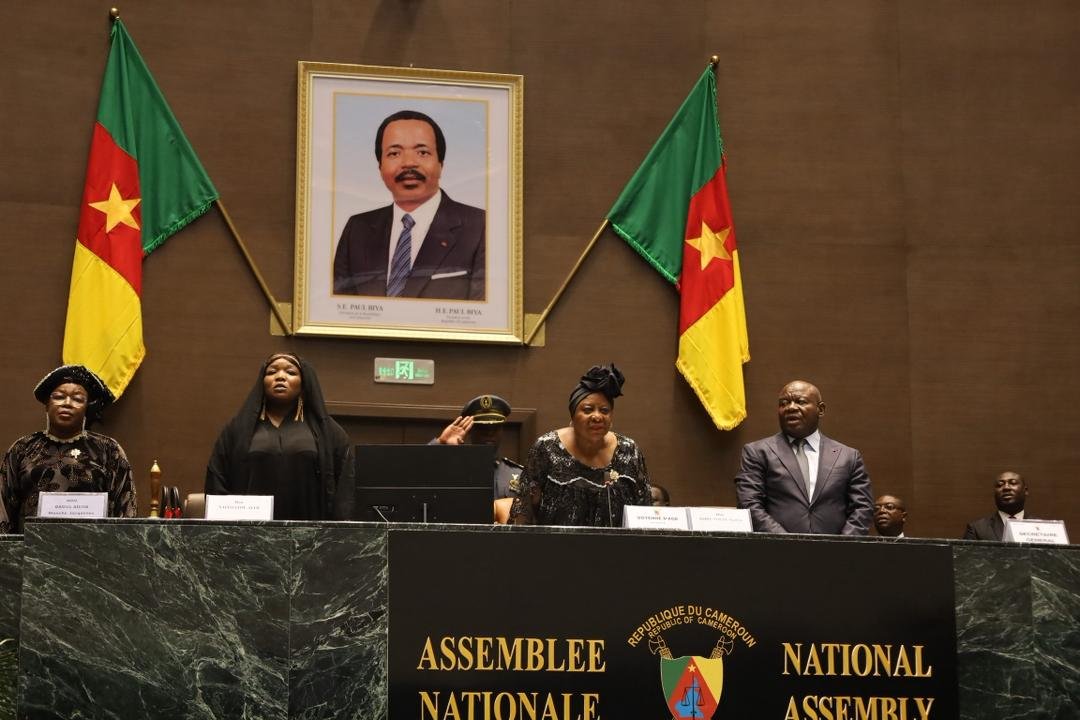
Opening the plenary session, Hon. Marlyse Soppo Toute, 79, Eldest Member of the National Assembly and Chair of the Provisional Bureau of the Lower House, said the current session would play a crucial role not only in electing the Assembly’s permanent Bureau but also in handling legal procedures related to the possible postponement of the elections.
She explained that deferring parliamentary elections requires a presidential decree under the Electoral Code, while extending the mandate of lawmakers must be approved through legislation passed by the National Assembly in accordance with constitutional provisions.
Hon. Soppo urged political parties preparing for the upcoming polls to educate and guide their supporters responsibly in order to prevent tensions similar to those witnessed after the 2025 presidential election.
She stressed the importance of maintaining peace before, during and after the elections, noting that municipal councils have become key actors in local socio-economic development due to ongoing decentralisation reforms in the country.
The Eldest Member also emphasized the need for a stable political environment to enable the National Assembly to effectively carry out its core responsibilities of lawmaking and government oversight.
In addition to the anticipated bill to extend the mandate of Members of Parliament, another closely watched draft bill expected during the session concerns a constitutional review that could include the reintroduction of the post of Vice President.
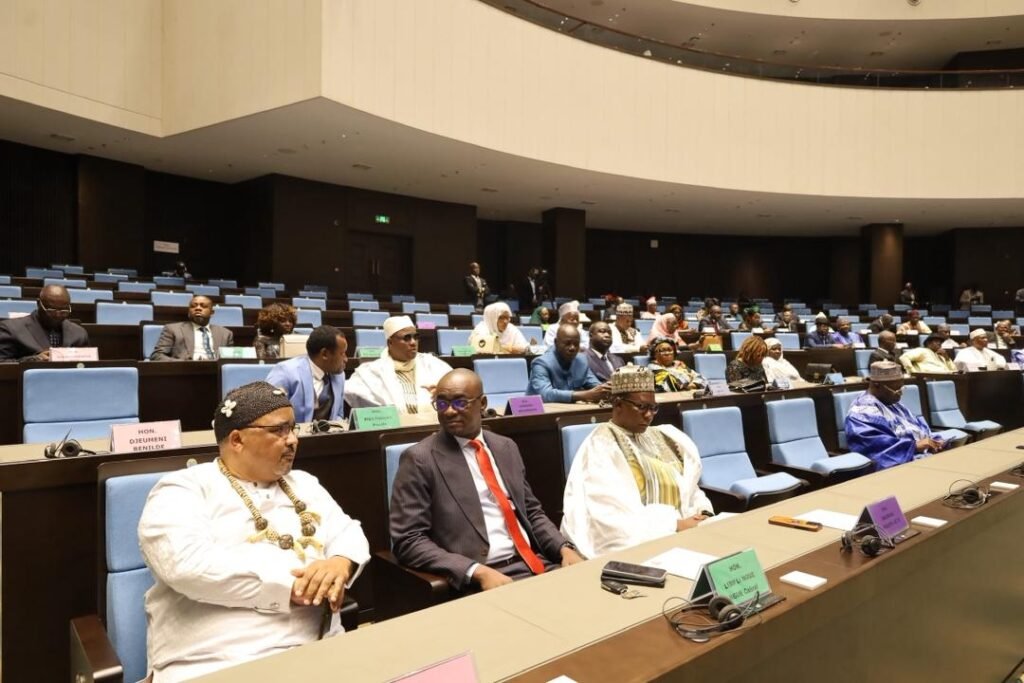
The opening plenary session was attended by several high-ranking officials, including the Eldest Member of the Senate, the Prime Minister and members of government, the President of the Constitutional Council, the Chief Justice of the Supreme Court, diplomats, and representatives of civil society organisations.
Lawmakers also paid tribute to the late Hon. Laurentine Koa Mfegue Mbede, who served as Eldest Member at the start of the 10th Legislature in 2020 until her death in January. Her successor, Hon. Soppo, described the late parliamentarian as “a wise parliamentarian and woman of rare mettle” as lawmakers and dignitaries observed a minute of silence in her honour.