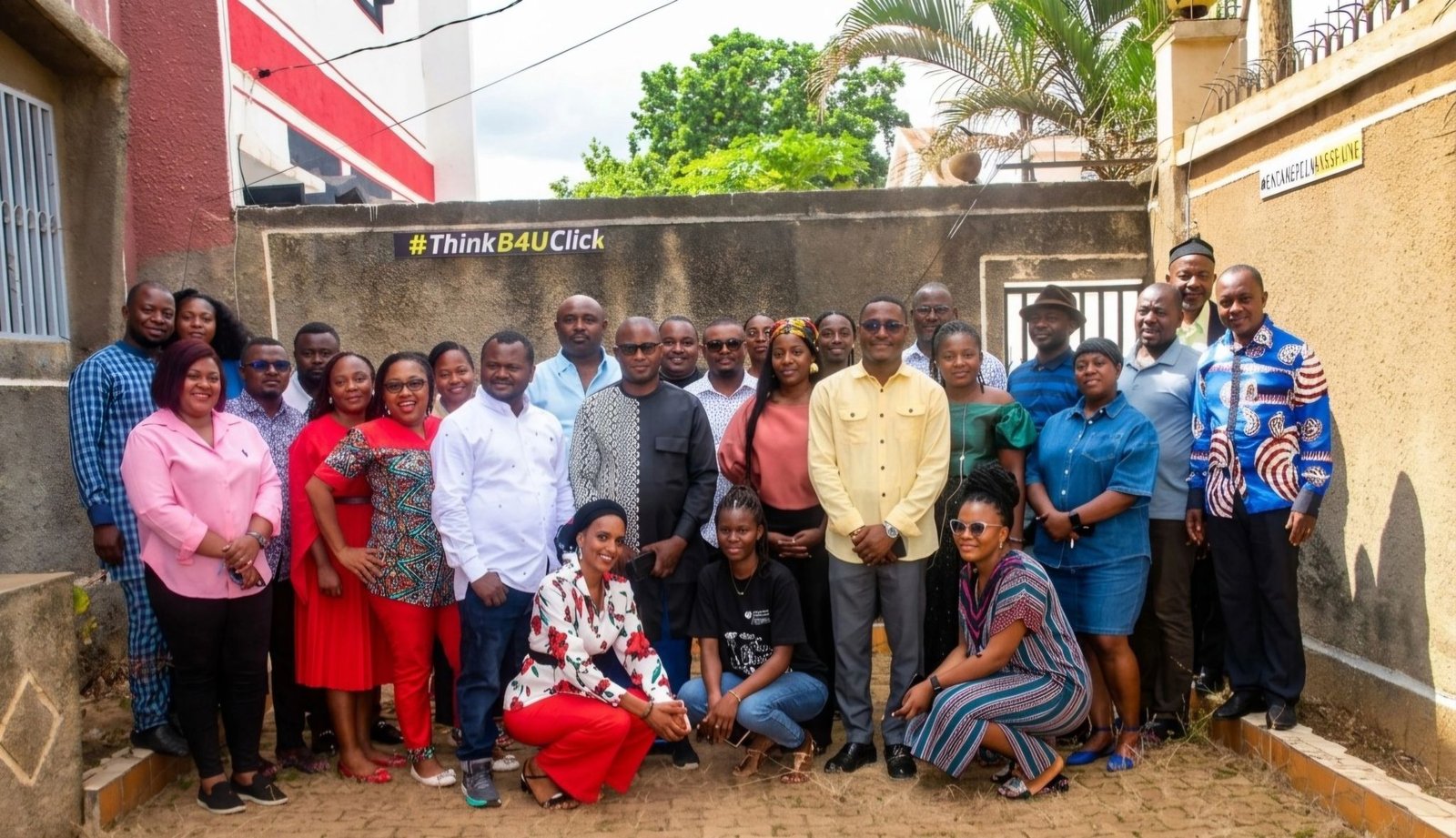
The Yaounde Chapter of the Cameroon Association of English-Speaking Journalists (CAMASEJ) has pledged to stay ahead of the curve as artificial intelligence (AI) and social media continue to reshape the journalism profession.
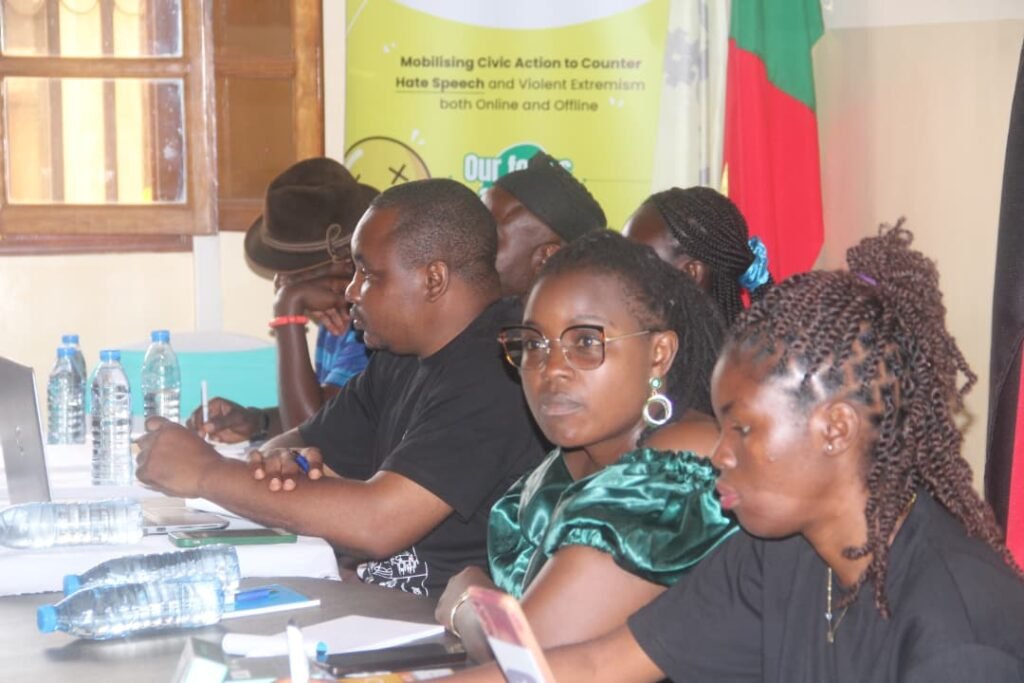
This was the focus of a workshop on citizen journalism and content creation in the digital era, held at the headquarters of community-based organisation Civic Watch in Yaounde on Saturday, May 9.
Supported by the United Nations Educational, Scientific and Cultural Organisation (UNESCO), the workshop formed part of activities marking the 2026 World Press Freedom Day commemorated six days earlier. The event featured presentations by media professionals and external experts.

The president of CAMASEJ Yaounde, Francis Ajumane, in his opening remarks, recommended that newsrooms embrace digital platforms and diversify their revenue streams, stressing that AI must become a staple in modern newsrooms today.
“We are bound to embrace digital media, else the narrative will be controlled by untrained [citizen] journalists,” Ajumane said.
Citizen journalism has significantly gained ground in Cameroon lately, Ajumane said, citing the ongoing armed conflict in the English-speaking North West and South West Regions and the Boko Haram insurgency in the Far North Region as factors that have contributed to the practice.
“We are not here to fight citizen journalism…Organisations work with bloggers and citizen journalists; newsrooms should integrate,” Ajumane urged.
Speaking on artificial intelligence – one of the fastest-growing trends in modern journalism – Dr. Hervé Tiwa, Executive Director of Media Lab, stressed the need for journalists to remain adaptable in the evolving media landscape.
Taking participants through key AI tools and effective prompting techniques, he maintained that AI should complement rather than replace journalists, urging media professionals to use the technology for research, transcription, editing and organisation.
During a session on social media platforms and digital content creation, Social Media Manager Axel Rod Elobo said journalists do not necessarily need to be active on every platform, but insisted that LinkedIn is indispensable for media professionals.
Recalling a personal experience, Elobo said an employer once ignored his curriculum vitae during a job interview and focused entirely on his LinkedIn profile.
He further emphasised that journalists must first identify a niche before building a digital presence, while remaining unique, authentic and consistent in order to establish credibility, which he described as the gateway to professional opportunities.
His views were echoed by Gio Ndzi, a Communications Officer at digital rights advocacy group Paradigm Initiative, who focused his presentation on data protection and online safety.
The Communication Expert stressed that in today’s data-driven era, trust has become one of the most valuable assets for journalists. “Today’s audiences follow people they trust, journalists they relate to, and voices that are consistent,” he said.

Giyo urged participants to regularly change passwords, activate two-factor authentication, and avoid using public Wi-Fi networks that could expose them to cyberattacks. He also cautioned against clicking suspicious links and advised journalists to use professional email services instead of free consumer alternatives and separate personal accounts from work-related platforms.
In another presentation, Laure Nganlay of Civic Watch shared practical tips on identifying misinformation online. She outlined various forms of misinformation circulating in digital spaces, including manipulated, fabricated and misleading content.
While acknowledging the role of fact-checking tools, Nganlay emphasised practical verification techniques such as checking publication timing, identifying the author, analysing visual presentation, and considering the socio-cultural, religious and political context surrounding a story.
At the end of the workshop, participants described the training as an eye-opening experience that strengthened their understanding of the opportunities and risks associated with digital journalism.