By Colbert Gwain | The Muteff Factor
In Muteff, perched on the Ijim hills near Abuh in Fundong Subdivision in the Boyo Division of Cameroon’s North West Region, the sound of a gunshot at dawn in those good old days, once meant something very different from what it might mean today.
When the gun cracked through the cold silence around 5 a.m., villagers knew an elderly person had died. It was an announcement, summoning the community to mourn, comfort the bereaved and accompany the dead to the final resting place.

In Muteff, as in all of the Kom Kingdom, death was not merely a private tragedy. It was a rupture in the community.
That old Muteff understanding of death offers a useful entry point into today’s emotional debate over femicide and growing demands for the activation of the death penalty against its perpetrators.
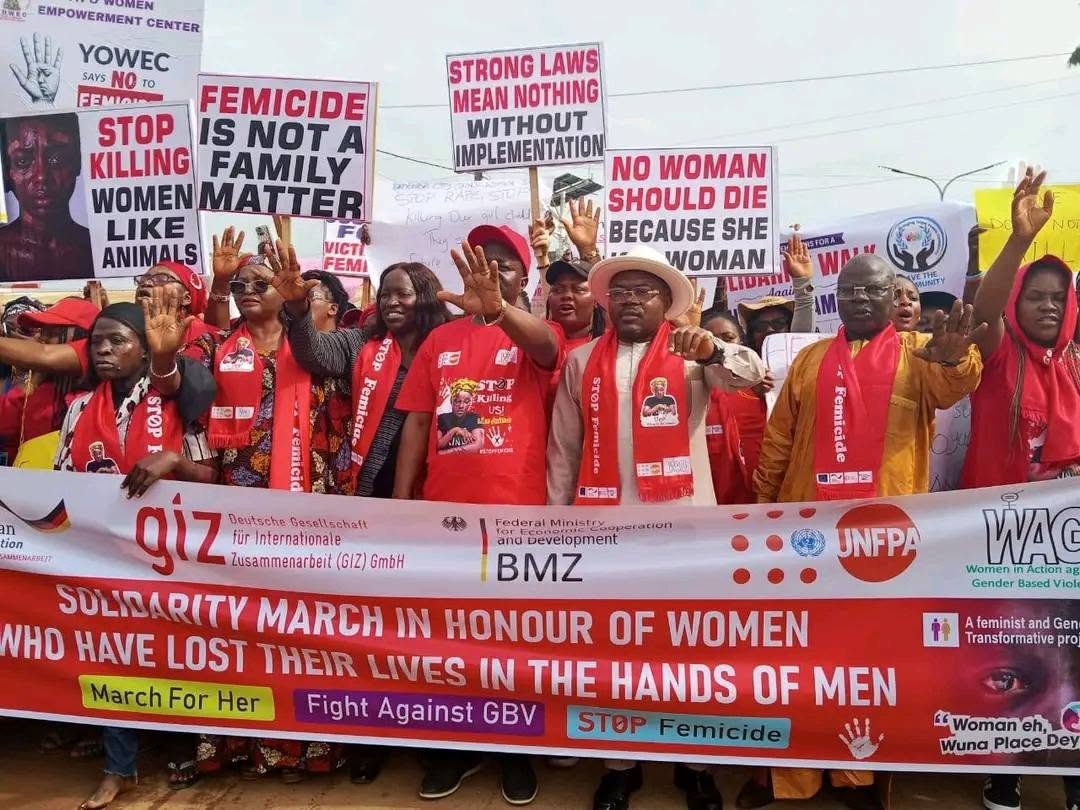
Let us be clear: femicide is horrific. The deliberate killing of a woman, particularly where misogyny, gender-based hatred, domestic domination or violence is involved, demands the strongest condemnation. Perpetrators must face justice. Families deserve justice. Women deserve protection. But justice must not necessarily end with another death.
“Opposing the death penalty does not mean being soft on femicide… Threats against women must be taken seriously. Complaints of domestic violence must not be dismissed as family matters.”
This is where the ancient story of Cain and Abel presents an uncomfortable biblical challenge. God confronted Cain for killing Abel. Scriptures say this was after Abel’s blood had cried to God from the ground. There was no ambiguity over Cain’ s guilt. Yet God did not kill Cain. He judged and condemned him to a life of wandering and alienation.
His crime changed the course of his existence. He could not escape accountability, but God did not answer Abel’s death by taking Cain’s life. He decided to punish Cain without reproducing Cain’s violence.
There is another remarkable detail in the story.
After God pronounced judgment, Cain protested that his punishment was too great to bear. He feared that whoever found him would kill him. That’s why God responded to the appeal by placing a mark on Cain and declaring that whoever killed him would face vengeance.
Cain had, in effect, challenged the severity of his sentence—and the Judge reconsidered the consequences. Could this be called the Bible’s first “Court of Appeal”?
Modern appellate courts developed through complex legal histories. But as a biblical metaphor, the parallel is striking: even after judgment, reconsideration remained possible. That should make us pause before embracing punishments that are irreversible.
Opposing the death penalty does not mean being soft on femicide. It does not mean sympathising with murderers or asking grieving families to forget their daughters, mothers, sisters or wives. It means asking whether the State should deliberately take a human life as punishment for taking another.
A person convicted of a brutal femicide may deserve the maximum lawful punishment, including life imprisonment where applicable. Such a sentence can protect society, permanently remove a dangerous offender from potential victims and affirm the gravity of the crime. But execution cannot bring the victim back. It cannot restore the shattered family. It cannot erase trauma.
And it cannot address the conditions that allowed the violence to escalate.

If we are serious about ending femicide, we must intervene before the funeral.
Threats against women must be taken seriously. Complaints of domestic violence must not be dismissed as “family matters.” Police responses must improve. Courts must deliver timely justice. Survivors need protection. Communities must challenge the attitudes that normalise possessiveness, humiliation and violence against women.
There is also a sobering problem with irreversible punishment: human justice is administered by fallible human beings.
Investigators can make mistakes. Witnesses can lie. Evidence can be manipulated. Courts can convict the wrong person. A wrongly imprisoned person can, theoretically, be released. An executed innocent person cannot.
“Femicide demands justice—swift, severe and uncompromising. The trouble with Cameroon is that justice is bought and sold like a commodity in the market, not that existing legislation cannot address femicide”.
The Cain story therefore offers a profound lesson: accountability does not necessarily require annihilation. Justice can be severe without becoming vengeance.
Jesus would later challenge the retaliatory logic of “an eye for an eye” and call humanity toward an ethic that breaks cycles of violence rather than perpetuating them. This does not mean justice should be weak.
Mercy without accountability can become injustice to victims. Yet punishment without humanity can become vengeance wearing the clothes of law.
The State must be uncompromising against femicide. It must investigate, prosecute and punish perpetrators. Above all, it must protect women before violence becomes homicide.
Back in Muteff, the dawn gunshot once summoned villagers to honour a life that had ended.
Perhaps that is the lesson we need today: when a woman is murdered, society should respond by making life more valuable—not by making another death the price of justice.
When Cain killed Abel God heard Abel’s blood and confronted Cain. After judgement, Cain protested and God still listened. God did not kill Cain.
Femicide demands justice—swift, severe and uncompromising. The trouble with Cameroon is that justice is bought and sold like a commodity in the market, not that existing legislation cannot address femicide. Justice should be strong enough to punish the killer without becoming another killer.