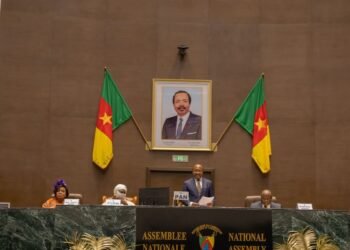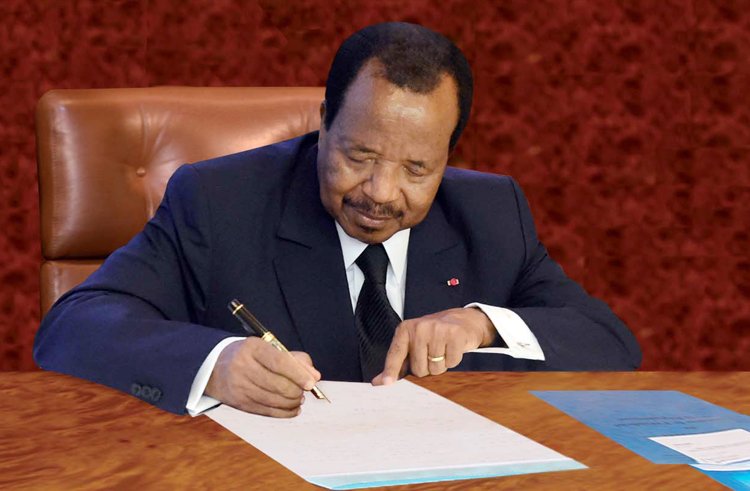
Cameroon’s Parliament is examining a draft bill seeking to amend the country’s Constitution, last revised in 2008 when presidential term limits were scrapped.
The proposed reforms target several constitutional provisions, including Articles 5, 6, 7, 10, 53 and 66. Government officials argue the changes are designed to “enhance the State’s efficiency” by aligning institutions with evolving governance demands.
A key proposal in the bill, submitted by President Paul Biya on April 2, is the reintroduction of the post of Vice President—a position abolished in 1972 when Biya was serving as Secretary-General at the Presidency.

At 93, Biya—the world’s oldest sitting president—has ruled Cameroon uninterruptedly since 1982. Under the proposed framework, the Vice President would assume office in the event of presidential incapacity or death, a responsibility currently held by the President of the Senate.
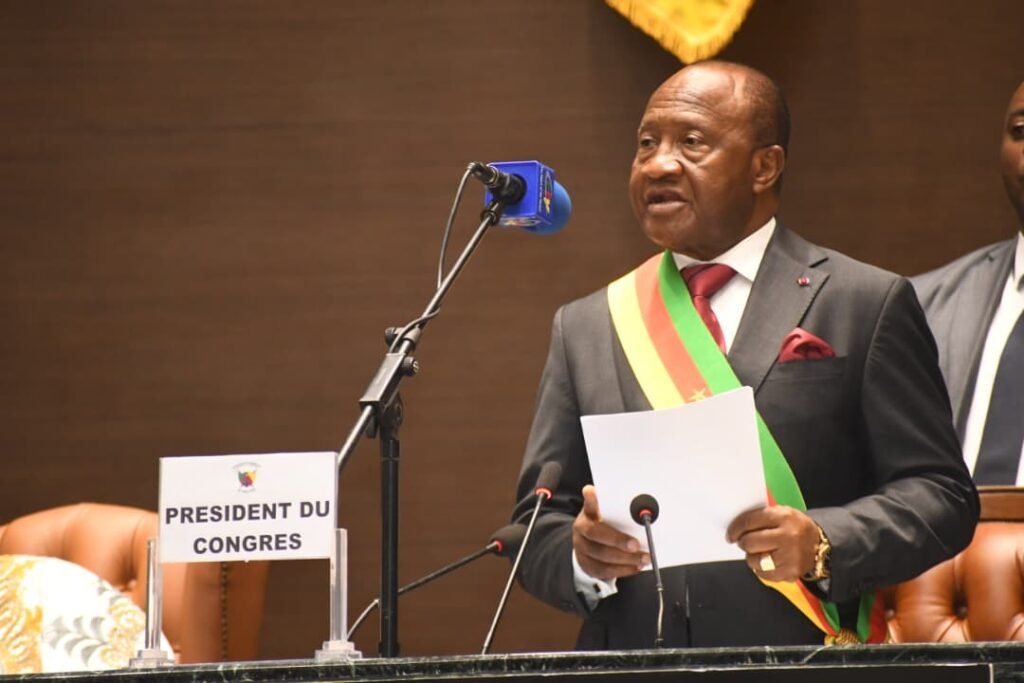
Despite this shift, the draft legislation preserves broad executive powers for the Head of State. The President would appoint and dismiss the Vice President, who would exercise only those powers delegated by the President. The Vice President’s tenure would also be tied to that of the President.
In the event of a vacancy, the Vice President would complete the remainder of the presidential term after taking the oath of office. However, should the Vice President be unable to assume this role, the President of the Senate would act as interim President pending fresh elections.
The bill further stipulates that the Vice President would be subject to the same incompatibility rules as the President, fall under the jurisdiction of the Court of Impeachment, and be required to declare assets in accordance with Article 66 of the Constitution. Although this provision mandates asset declarations by senior public officials, including the President and ministers upon taking and leaving office, it has yet to be implemented.
The government maintains that the creation of a Vice Presidency would strengthen executive coordination, reduce the cost of organising elections in the event of a vacancy, and enhance state representation, particularly in international engagements.
Backlash from opposition parties
However, the proposal has already drawn an avalanche of criticisms from opposition parties, who warn that granting the President sole authority to appoint the Vice President could further concentrate power within the executive and undermine democratic legitimacy in matters of succession.
While acknowledging that the proposed amendments mark a “significant evolution” of the constitutional framework, the Social Democratic Front (SDF) argues they fall short of meeting “contemporary standards of equality, inclusiveness, and democratic accountability.”
The SDF insists the Vice President should be elected rather than appointed, cautioning that an appointment-based system risks institutional subordination rather than constitutional legitimacy.
“A Vice President without democratic legitimacy may face contestation,” said SDF National Chairman Hon. Joshua Osih. In a written reaction, the opposition leader warned that such an arrangement could weaken confidence in succession mechanisms and threaten institutional stability.
Similar concerns have been raised by the United People for Social Renewal (PURS). Speaking during a live television programme, party member Dr Nyamsi Mpoudi criticised the draft legislation, arguing it would allow an unelected individual to “accede to the presidency of the Republic, which is worrying.”
Despite Cameroon’s bilingual nature, the draft Constitution does not provide for regional or linguistic balancing in the appointment of the Vice President. However, reports indicate that members of the Anglophone elite are already jostling for the position.
The bill comes just weeks ahead of the anticipated visit of Pope Leo XIV to the country—a timing some analysts believe could help soften potential political fallout.
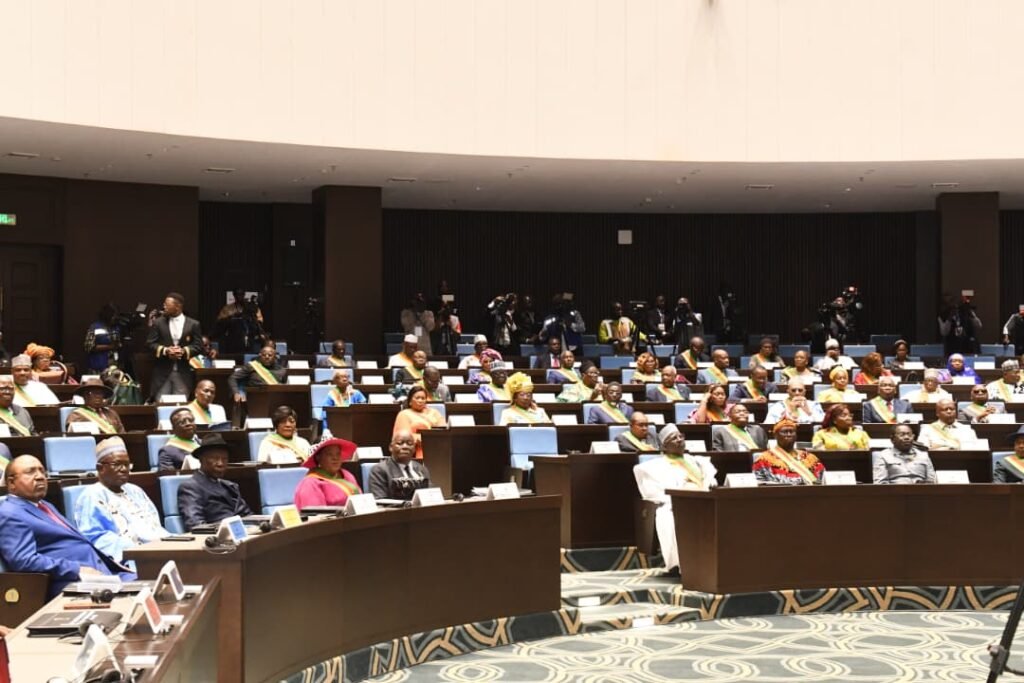
Dominated by members of the ruling party, Cameroon’s Parliament, sitting in Congress—a joint session of the National Assembly and the Senate—is expected to adopt the bill by Sunday, April 5 at the latest.