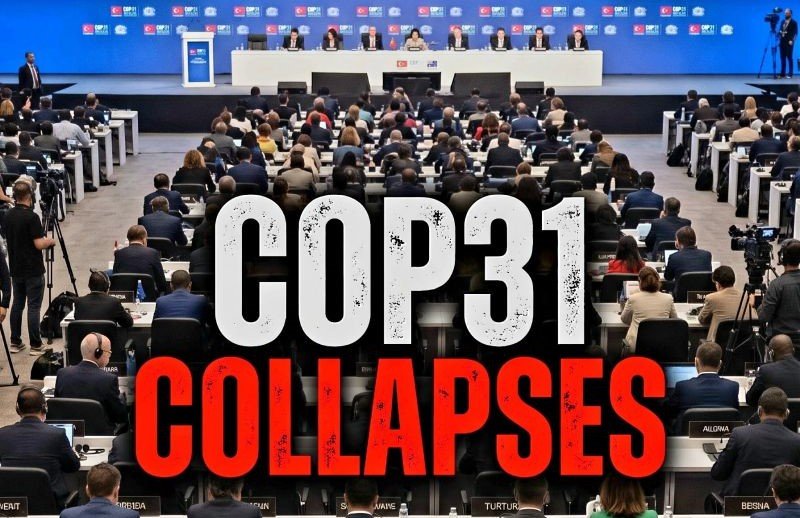
The African Coalition for Sustainable Energy and Access (ACSEA) has warned that the failure of the 31st United Nations Climate Change Conference (COP31) to reach an overarching political agreement must not become an excuse for deepening Africa’s energy poverty.
In a statement on November 22, 2026, ACSEA expressed its disappointment at the breakdown of negotiations in Antalya, Türkiye, saying the outcome exposes the widening gap between global climate ambitions and the realities of African countries, particularly their energy and development needs.
The Yaounde-based pan-African network the unites over 25 civil society organizations, researchers, and private-sector partners across the continent said the proposed outcome failed to clearly reaffirm the transition away from fossil fuels, provide credible financing for vulnerable countries or establish a sufficiently resourced just transition framework.

It argued that millions of Africans still lack access to electricity, even as global climate negotiations increasingly focus on electrification, cleaner technologies and the future of fossil fuels.
The advocacy coalition argued that energy access should be recognised as a foundation for climate mitigation, adaptation and a just transition, rather than treated as a development concern at the margins of climate negotiations.
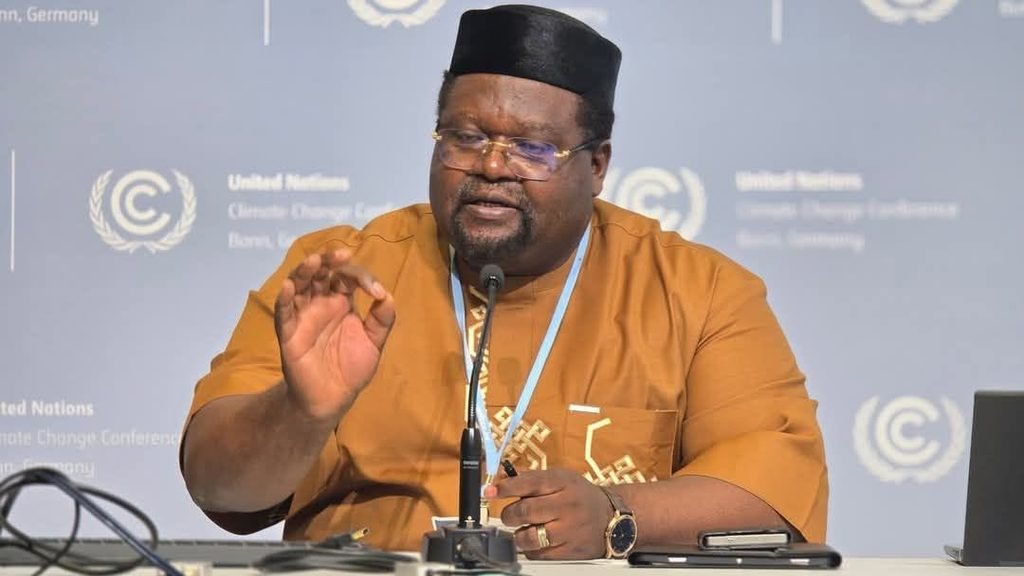
“A just energy transition cannot mean that Africa is asked to abandon the energy pathways that enabled others to develop, without being given the means to build a better alternative,” said ACSEA Executive Director, Dr Augustine B. Njamnshi.
“We need a transition that cuts emissions, ends energy poverty and creates industries and jobs on African soil. Without access, finance and policy space, the word ‘just’ loses its meaning,” he added.
Africa cannot finance transition through debts
ACSEA maintains that African countries should have the policy space to rapidly expand renewable energy while making nationally appropriate, time-bound use of transitional energy options where necessary to guarantee reliability, productive use and industrial development.
It also called on developed countries to honour their obligations under Article 9.1 of the Paris Agreement through predictable, accessible and primarily grant-based public climate financing, supported by affordable technology transfer and capacity building.
The coalition warned against further unsustainable borrowing to finance Africa’s energy transition, insisting that the continent should not remain an exporter of raw critical minerals for other regions’ clean-energy industries while its own factories and communities lack electricity.
Approach COP32 with coherent energy, climate agenda
Ahead of COP32 in Addis Ababa, Ethiopia, ACSEA is urging African governments, development partners and negotiating parties to prioritise universal and affordable energy access, equitable transition pathways, public climate finance and a properly financed Just Transition Mechanism.
It also wants stronger African energy sovereignty through regional power markets, domestic resource mobilisation, transparent governance and the meaningful participation of women, young people and local communities.
The coalition called on African governments to approach COP32 with a coherent continental energy and climate justice agenda, backed by practical national plans and stronger regional cooperation.
“Antalya must not become the point at which the world lowers its ambition. It must become the point at which energy justice is finally recognised as inseparable from climate justice,” ACSEA stated.