Why changing our relationship with waste must become a national civic priority
By Che Emmanuel Mforlem*
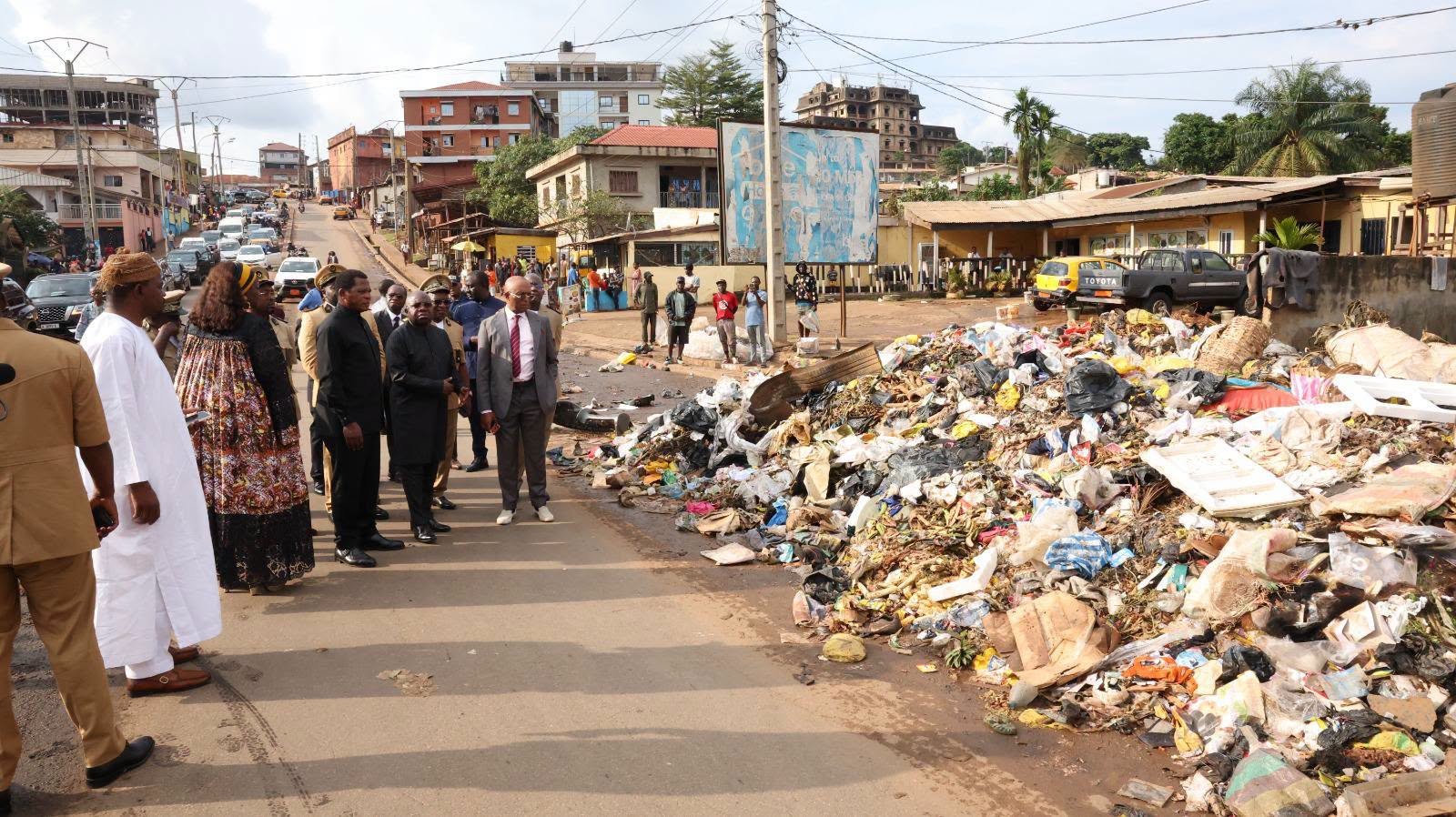
Cameroon’s waste management crisis is becoming increasingly visible in our towns and cities. Piles of garbage along roadsides, blocked gutters, illegal dumping sites, plastic waste in waterways, and overflowing waste points have become familiar sights in many communities.

When we discuss this problem, the conversation often focuses on the lack of waste collection trucks, inadequate bins, insufficient collection companies, poor infrastructure, or the inability of councils to effectively manage waste.
These challenges are real. But they are not the whole problem.
Cameroon does not only have a waste management problem. We also have a waste management education problem.
For generations, many Cameroonians have simply never been properly taught how to manage waste.
Most households still put everything into the same bag: food remains, plastic bottles, cartons, paper, cans, glass, and other materials. There is little understanding of the difference between organic and inorganic waste, recyclable materials, and waste that requires special handling.
We cannot expect people to practice proper waste sorting when we have never systematically taught them how to do it.
We must start with education
Waste management should not begin when a truck arrives to collect a bag of garbage. It should begin in the home, in the classroom, in the marketplace, in churches, in neighborhoods, and in businesses.
Children should learn from an early age that a plastic bottle is different from food waste. They should understand why paper and cartons should be separated, why organic waste can be treated differently, and why throwing waste into gutters and waterways creates consequences for the entire community.
This education must become continuous and visible. Television, radio, social media, schools, churches, community groups, councils and grassroots organizations should all become part of a national waste education campaign.
Food waste is another hidden crisis
There is also a major issue that deserves far more attention: food waste.
Many households purchase large quantities of food during weekly shopping but lack adequate preservation practices. As a result, significant quantities of food spoil before they can be consumed and eventually end up in garbage bags, dumping sites and drains.
Better household planning, proper storage, preservation education, buying according to actual needs, and finding ways to reuse or process food waste could significantly reduce the amount of waste generated by households.
Waste reduction must therefore begin before the waste is even created.
We are also losing the culture of community cleanup
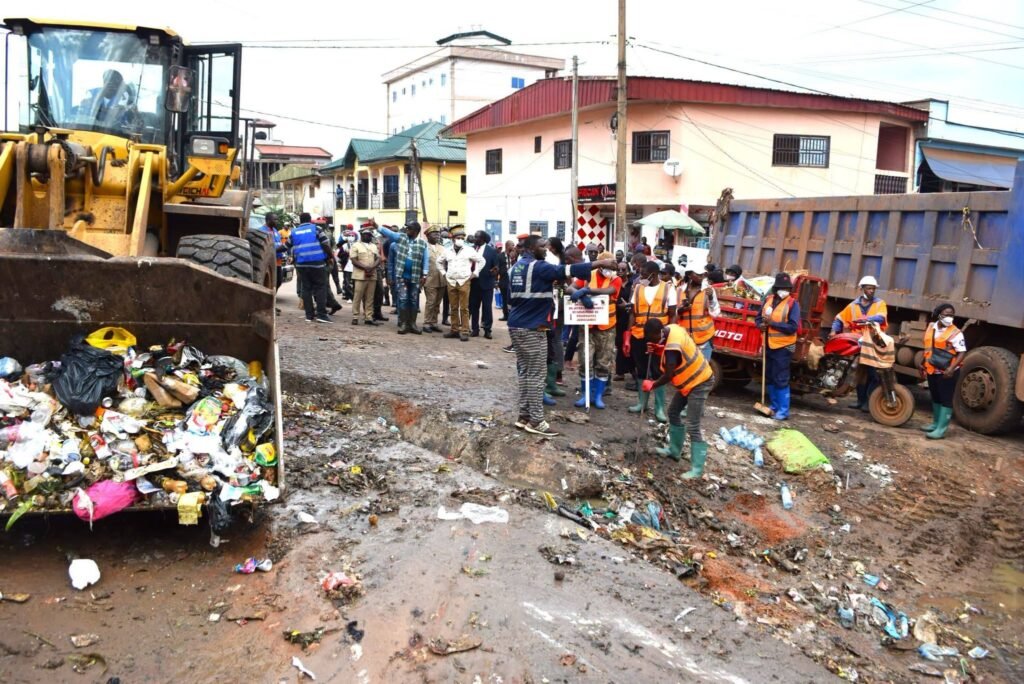
Cameroon once had a stronger culture of participatory sanitation. Councils allocate specific days for communities and businesses to clean their surroundings.
In some parts of Yaounde, for example, specific days are designated for community sanitation. Businesses are expected to use the morning sanitation period to clean their surroundings, clear gutters and maintain the areas around their premises before opening for business.
But increasingly, participation has disappeared.
Some business owners simply remain at home until the sanitation period ends and then come to open their shops. Instead of participating in the cleanup, they wait until it is time to resume business.
This defeats the very purpose of participatory sanitation.
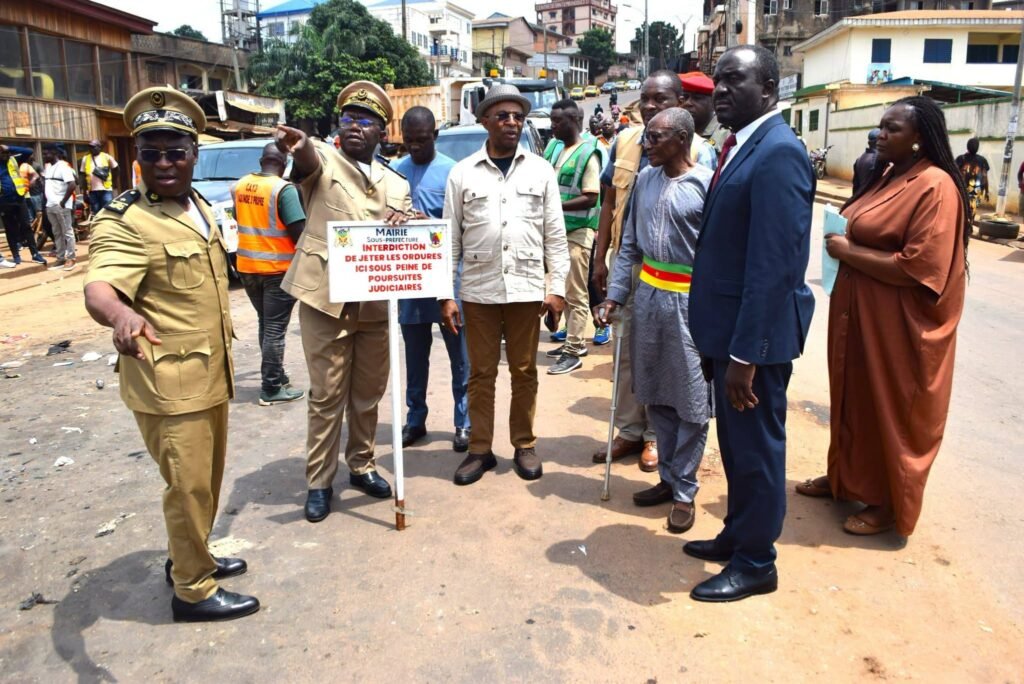
There must be enforcement, but enforcement alone is not enough. Citizens must understand why these days exist and see them as a civic responsibility rather than an inconvenience.
Cleanups are not the solution by themselves
Across Cameroon, associations, foundations, companies, youth groups and concerned citizens regularly organize cleanup campaigns.
These initiatives are commendable and necessary. But we must also be honest about their limitations.
A community can be cleaned today and be covered with waste again within days.
Why?
Because the underlying problem has not changed.
People still need somewhere appropriate to dispose of their waste. Waste collection services must be accessible and reliable. Citizens need to understand proper disposal. Businesses and households need to take responsibility for the waste they generate.
Cleaning the symptom without addressing the behavior and the system only gives us temporary results.
What can we do differently?
Cameroon Awareness & Orientation Initiative (AIOCAM) believes Cameroon needs a more comprehensive approach built around education, infrastructure, enforcement, recycling and civic responsibility.
Councils should consider establishing properly designed and clearly identified waste collection points where possible, with separate sections for organic waste, cartons and paper, plastics, bottles and other categories.
But infrastructure without education will not work.
Every collection point should be accompanied by clear public education on how it should be used. This information should be repeated through television, radio, social media, schools, churches, markets, community meetings and neighborhood networks.
We also need a strong grassroots waste education consortium bringing together councils, schools, associations, youth organizations, environmental groups, businesses and other community-based organizations.
These organizations can take waste management education directly into communities and, most importantly, into primary and secondary schools.
If we teach a child how to manage waste today, we are shaping the behavior of an adult tomorrow.
Recycling must become part of the solution
We must also move beyond seeing waste only as something to collect and throw away.
Plastic, paper, cartons, glass, metals and other materials can have value when properly separated and recycled.
Encouraging recycling can create economic opportunities for young people, reduce pressure on landfills and dumping sites, and contribute to a more circular economy.
But recycling will only work at scale when people have been taught to separate waste at the point where it is generated.
Most importantly, we need a change of mentality
Perhaps the biggest challenge is not the absence of solutions. It is our attitude towards responsibility.
We have increasingly become comfortable with throwing waste wherever we believe someone else will eventually clean it.
We expect the government to clean our streets, councils to clear our gutters, companies to collect our waste and community organizations to clean our neighborhoods.
But a government cannot be everywhere, all the time.
The state has responsibilities. Councils have responsibilities. Waste management companies have responsibilities. But citizens have responsibilities too.
Civic responsibility means understanding that the environment around us belongs to all of us.
It means refusing to throw a plastic bottle into a gutter simply because nobody is watching.
It means participating in community cleanup days.
It means keeping waste until it can be properly collected.
It means teaching our children better habits.
It means asking not only, “What is the government doing about waste?” but also, “What am I doing about the waste I produce?”
A call for a national shift
Cameroon does not need more temporary solutions alone. We need a long-term national culture of responsible waste management.
We need to educate before we punish.
We need to provide alternatives before we demand compliance.
We need to enforce the rules while also making citizens understand the reasons behind them.
And we need to start with our children.
At the AIOCAM, we believe that a cleaner Cameroon will not be built by government alone. It will be built by informed, responsible and engaged citizens working alongside government, councils, businesses and communities.
Our waste crisis is not simply about garbage.
It is about knowledge. It is about habits. It is about systems. It is about civic responsibility. And ultimately, it is about the kind of country we want to leave behind.
The transformation must begin with how we think about waste.
A clean Cameroon begins with a responsible Cameroon.
*Che Emmanuel Mforlem is the Founder of the Cameroon Awareness & Orientation Initiative (AIOCAM).
This report was first published in NewsWatch Newspaper No. 238 of Monday, September 7, 2026.