African instant payment platforms processed 71.4 billion transactions worth $1.8 trillion in 2025, nearly three times the volume recorded in 2021, a new report has found.
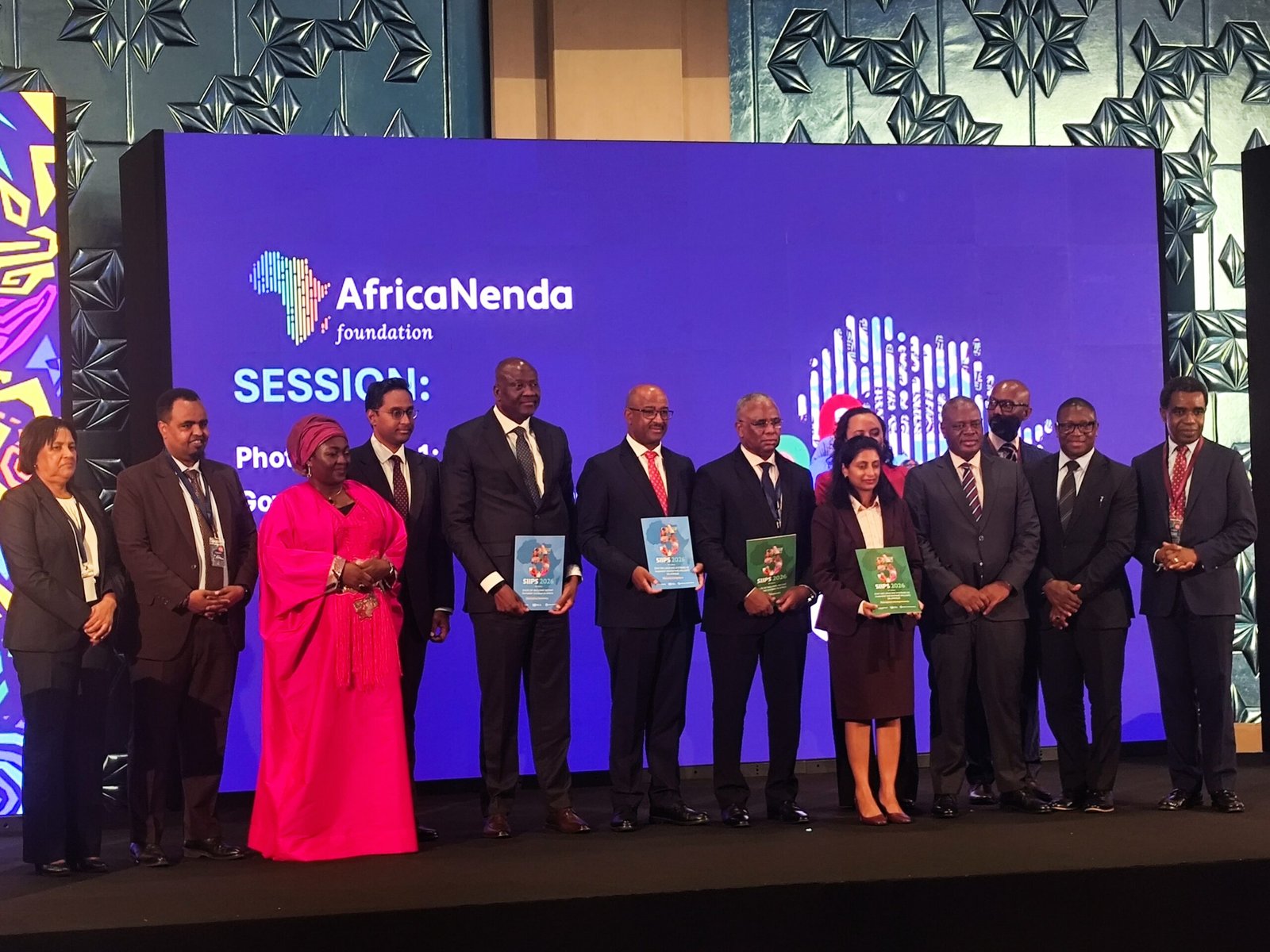
The State of Inclusive Instant Payment Systems in Africa (SIIPS) 2026, AfricaNenda Foundation’s flagship annual report, highlights rapid expansion in instant payments infrastructure across the continent, noting however, that concerns over reliability and consumer protection threaten wider adoption.
Developed in partnership with the United Nations Economic Commission for Africa (UNECA) and the World Bank Group, SIIPS 2026 was launched in Balaclava, Mauritius on Thursday, November 19, 2026.

The fifth edition of the annual report reveals that 89 percent of African adults now live in countries with access to instant payment systems. However, access has yet to translate into widespread everyday use, with 55 percent of 1,403 digital payment users surveyed across 15 markets still relying on cash for about half of their transactions.
The report further indicates that more than half of respondents have experienced payment problems, including transaction delays and sending money to the wrong recipients. Yet, one in three of those affected never report such incidents, largely because they do not know how.
Presenting the findings, Sabine Mensah, Deputy CEO of AfricaNenda Foundation and lead author of the report, highlighted five-year growth in infrastructure but emphasized that the continent’s priority has moved from just building infrastructure to ensuring customer adoption.
“Five years ago, our first report mapped 29 instant payment systems. Today there are 39, and one in two African adults live in a country served by an inclusive instant payment system IIPS,” Mensah said. “The question has changed. It is no longer whether Africans can pay instantly, but whether they trust the system enough to stop reaching for cash,” she said further.
Continental expansion
Overall, 43 countries in Africa have access to instant payment capabilities through domestic or regional systems. As stated in the report, four domestic systems joined the landscape between June 30, 2025 and July 31, 2026 in Liberia, Burundi, Guinea and Mauritania, and a new regional system now serves the eight West African Economic and Monetary Union (WAEMU) countries. A further 17 countries have IIPS projects underway, the SIIPS report revealed.
The rapid growth in infrastructure is also reflected in the volume of transactions. The report found that transaction volumes have grown by an average of 28% a year since 2021, while the average payment has fallen from $45 to $26. It notes that more people are using instant payments for small, everyday purchases, and mobile money systems carry 73% of all volume.
AfricaNenda Foundation CEO, Dr Robert Ochola, said the continent had built inclusive payment infrastructure at remarkable speed.
“The next five years must be about making these systems affordable to use, safe and sustainable to run,” he stated.