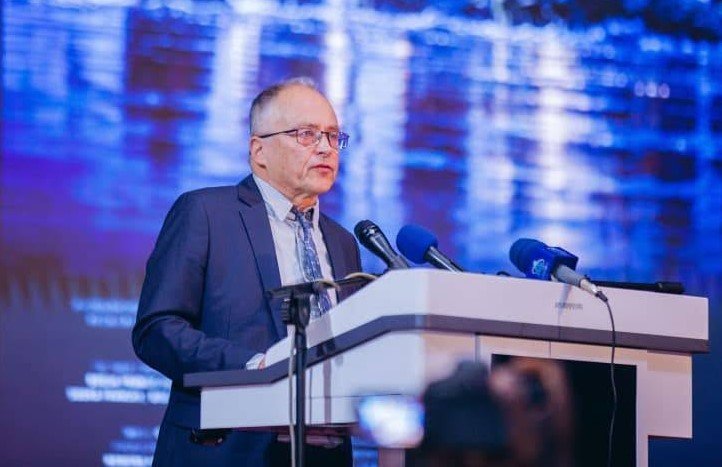
British filmmaker Phil Agland has warned that the continued destruction of Cameroon’s rainforests could result in the loss of the cultural identity, ancestral knowledge, and traditional way of life of the Baka people—an Indigenous hunter-gatherer ethnic group inhabiting the dense tropical rainforests of southeastern Cameroon.
Speaking after the presentation of his documentary film “I See You in My Dreams,” which chronicles 40 years in the life of an Indigenous Baka family in the Congo Basin forests of Cameroon, Agland urged greater recognition of Indigenous communities in forest conservation and development policies.
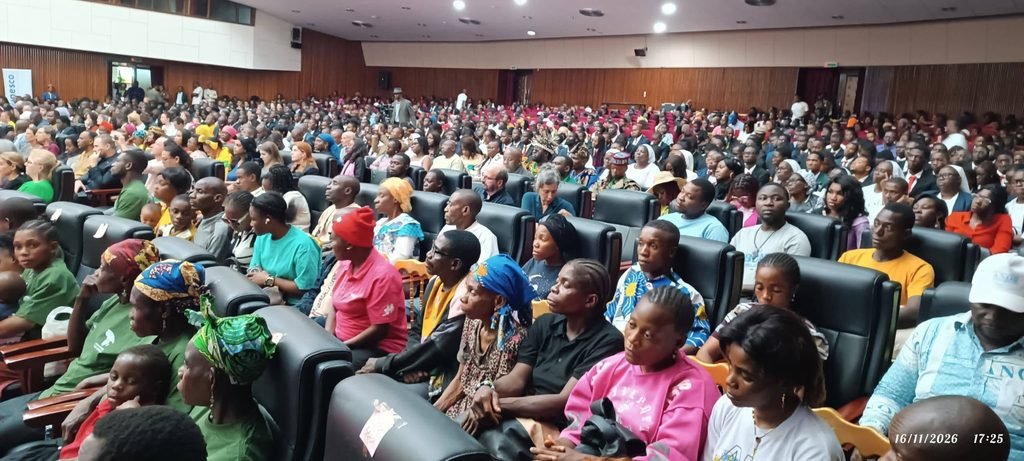
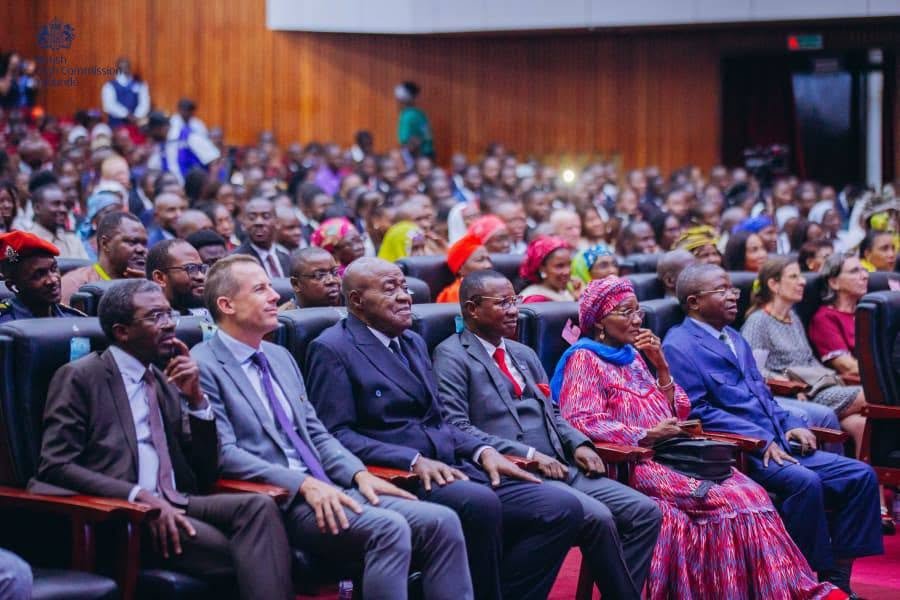
Produced by River Films, a company founded by Agland, in collaboration with the Centre for Environment and Development (CED), and co-produced by Dr. Samuel Nguiffo, the 96-minute film premiered in Yaoundé on Monday, November 16, 2026. The Minister of Arts and Culture (MINAC), Dr. Pierre Ismaël Bidoung Mkpatt, chaired the ceremony, which was attended, among others, by British High Commissioner to Cameroon Matt Woods and members of the Baka community.

According to Agland, who has spent more than four decades documenting the lives of the Baka in Cameroon, the forest is not merely their habitat but the foundation of their identity and existence.
“When the Baka do not live in the forest, that whole sense of self-identity disappears,” he said in an interview with NewsWatch.
He said the Baka risk becoming marginalized in modern society if they are disconnected from the forest environment that has shaped their knowledge, culture, and relationship with nature over generations.
“I See You in My Dreams” is the latest chapter in Agland’s long engagement with the Baka, a relationship that began in the 1980s, when he returned to Cameroon to document their lives.
He told NewsWatch that his first major encounter with the community followed extensive travels through Sangmelima, Djoum, and Moloundou, where he visited several hundred villages before finding a family deep in the forest whose story would become central to his filmmaking.
Over the years, he has returned to document the family through successive generations. One of the women featured in the latest film was born in 1986, and Agland filmed her birth. Now 40, she provides the voice for the new documentary.
The filmmaker says the project seeks to make the experiences of the Baka understandable to audiences beyond their communities by showing the human connections that transcend cultural differences.
Although the documentary exposes difficult realities, including child rape, exploitation, alcohol manipulation, and the marginalization of Indigenous communities, Agland says it also tells a story of hope.
He believes there is still an opportunity to revive Baka culture if meaningful action is taken to protect the forest and recognize the people whose lives are inseparable from it.
Conservation, he says, must move beyond the protection of trees and wildlife to embrace the communities that have lived in and managed the forest for generations.
“The future of forests has to be a human forest future,” he said.
Agland argues that forests should not be treated as spaces reserved exclusively for national parks, but as living environments in which people and nature can coexist.