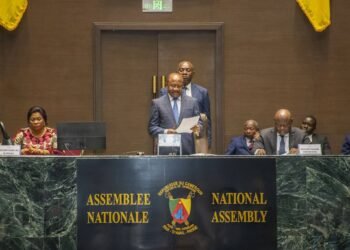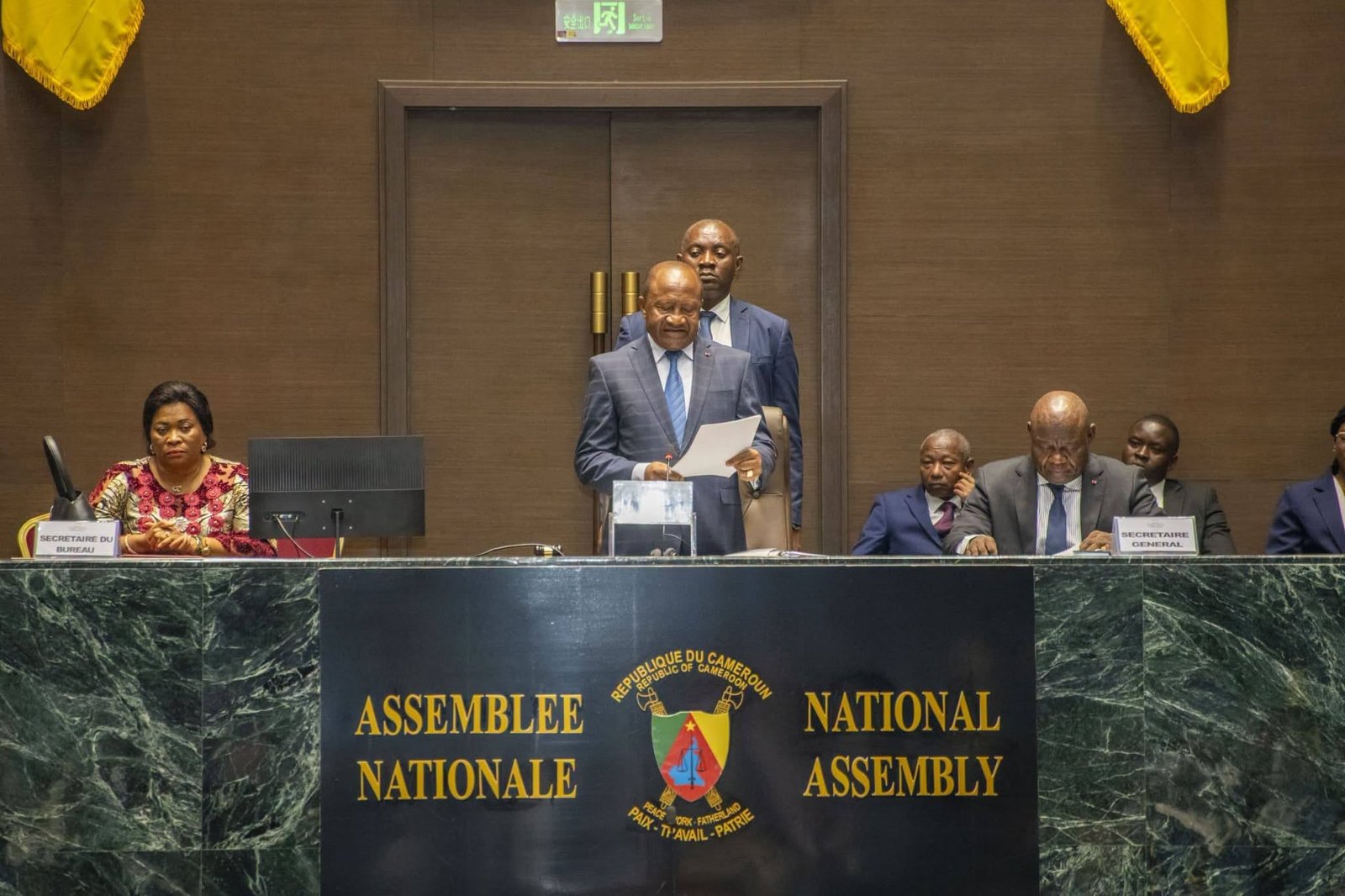
The Speaker of the National Assembly, Rt. Hon. Datouo Theodore, has called on Members of Parliament (MPs) to ensure that the 2027 State budget responds to the needs and aspirations of Cameroonians, with particular emphasis on addressing the country’s persistent electricity supply challenges.
Speaking on Tuesday, November 10, during the opening of the third ordinary session of parliament in Yaounde, Datouo said parliamentary scrutiny of the draft budget should go beyond figures and projections to focus on its actual impact on citizens’ living conditions.
He reminded MPs that their responsibility was to ensure that public resources translate into tangible development outcomes, insisting that the budget must reflect the concerns of ordinary Cameroonians.

“While scrutinising budget estimates, projections and budget balance, we must never lose sight of the need to address the main concerns of Cameroonians, considering that the same concerns are being raised everywhere in the country,” the House Speaker told MPs.
Datouo stressed that electricity deserved particular attention in the 2027 budget, given its direct implications for households, businesses and the country’s economic transformation.
“Electricity deserves the attention of the National Assembly because it directly impacts the daily lives of the population, the competitiveness of business and the transformation of our country’s economy,” he stated.
Electricity sector cash strapped
While acknowledging investments made to increase the country’s energy capacity, including the commissioning of the Nachtigal Hydroelectric Dam, Datouo warned that the electricity sector continues to face financial and operational difficulties that could undermine reliable power supply.
He expressed concern over the liquidity challenges affecting the electricity sector, particularly the difficulties faced by the Electricity Development Corporation (EDC) in meeting its payment obligations to electricity generators and transmitters.
According to him, the situation requires urgent government intervention to avert a possible electricity supply shortfall in 2027, amid rising demand and the risk of increased load shedding.
“We need to act before it’s too late,” the Speaker cautioned.
To address the situation, Datouo urged the Government to rapidly upgrade existing power plants, modernise electricity transmission and distribution networks, and construct new hydroelectric dams that can be commissioned without undue delays.
He also called for particular attention to the emergency solar energy programme and the extension of the Kribi Gas-Fired Power Plant, urging the government to make adequate budgetary provisions for these projects and ensure that funds are properly allocated.
The Speaker linked electricity supply to another pressing concern: access to potable water. He observed that inadequate and unreliable electricity compromises the operations of water treatment plants and pumping stations, exposing households to simultaneous power and water shortages.
Cameroonians expect concrete results
Beyond electricity, Datouo urged MPs to ensure that the 2027 budget addresses other pressing development concerns, including road infrastructure, healthcare, education, agriculture, employment and decentralisation.
He cited major road projects such as the Douala-Bafoussam Road and the Douala-Bangui Corridor, stressing their economic importance and the need for visible progress in their implementation.
On the management of public investments, the Speaker expressed concern that critical development projects were materialising slowly despite substantial financial commitments.
He observed that funds committed to projects, estimated at FCFA 5,000 billion, remained undisbursed, raising questions about the pace of project implementation.
“Above all, Cameroonians are waiting to see how completed projects will effectively contribute to the development of our economy and an improvement of their living conditions,” the Speaker said.
Datouo underscored that the effectiveness of the national budget should not be measured merely by the volume of resources allocated but by the results achieved in the lives of citizens.
“Clearly, a budget is not judged solely by its amount. It is also and, perhaps above all, judged by its real impact on the lives of citizens,” he declared.
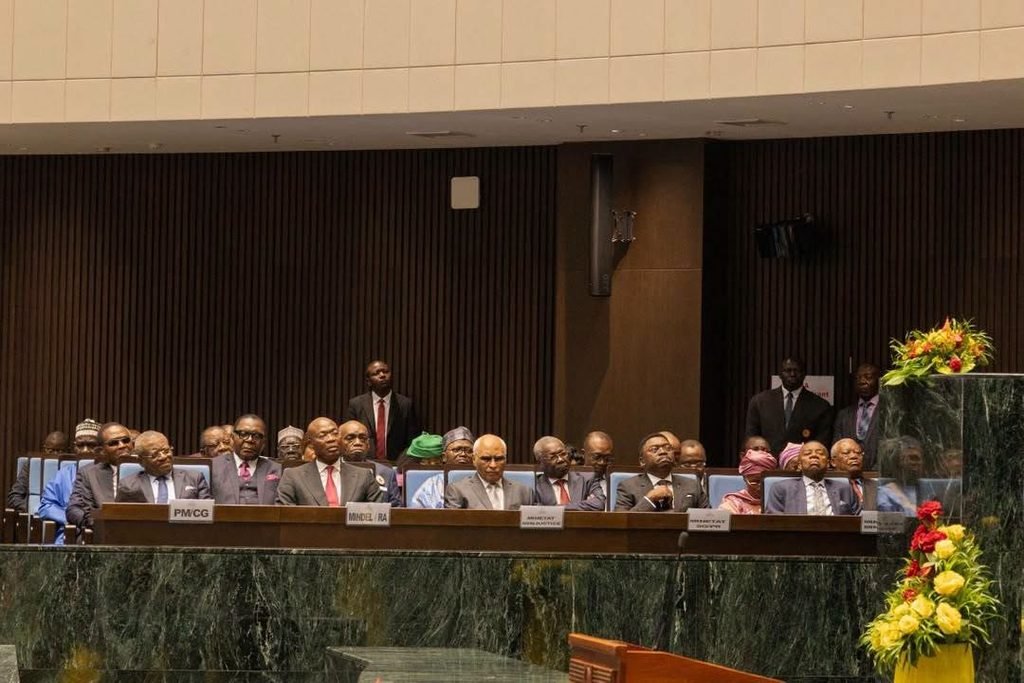
The Speaker further reminded MPs that Cameroonians were not simply waiting for the adoption of another State budget but expected concrete results from government spending.
“Cameroonians are not just waiting for budgets passed. They are waiting for well implemented projects,” he emphasised.
Budgetary session without proposed state budget
The Speaker urged his colleagues to approach the budget examination with a clear understanding of the expectations of their respective constituencies, stressing that the parliamentary exercise should ultimately serve the collective interest of the nation.
The November session is the third and last ordinary parliamentary session for the 2026 legislative year and is primarily devoted to examining and adopting the State budget for the 2027 financial year. According to the law, the government had to submit the draft budget to the Bureau of Parliament 15 days before the opening of the session, but some MPs confirmed to NewsWatch that the usually voluminous document had yet to be submitted.
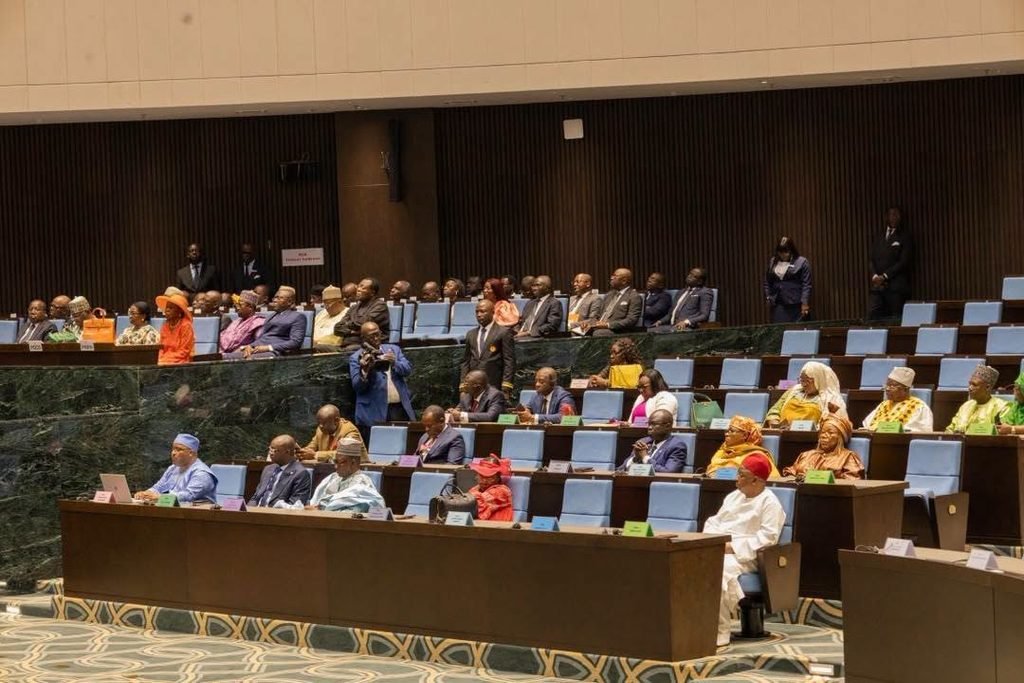
Besides lawmakers, the Prime Minister, members of government and members of the diplomatic corps accredited to Yaounde attended the opening plenary of the November 2026 ordinary session of parliament at the National Assembly.