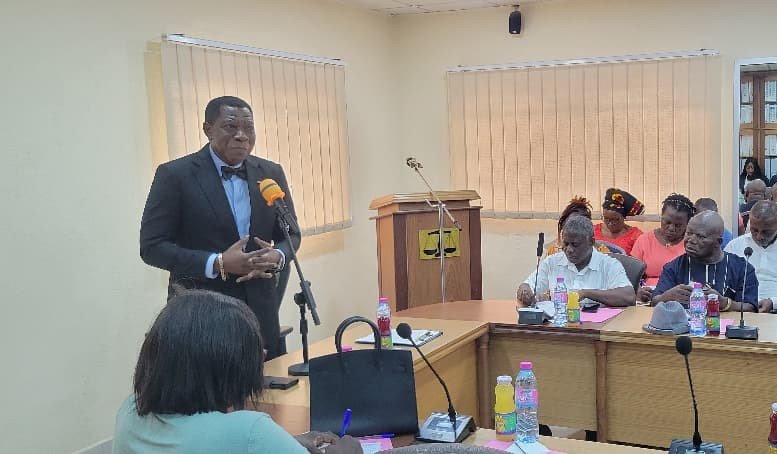
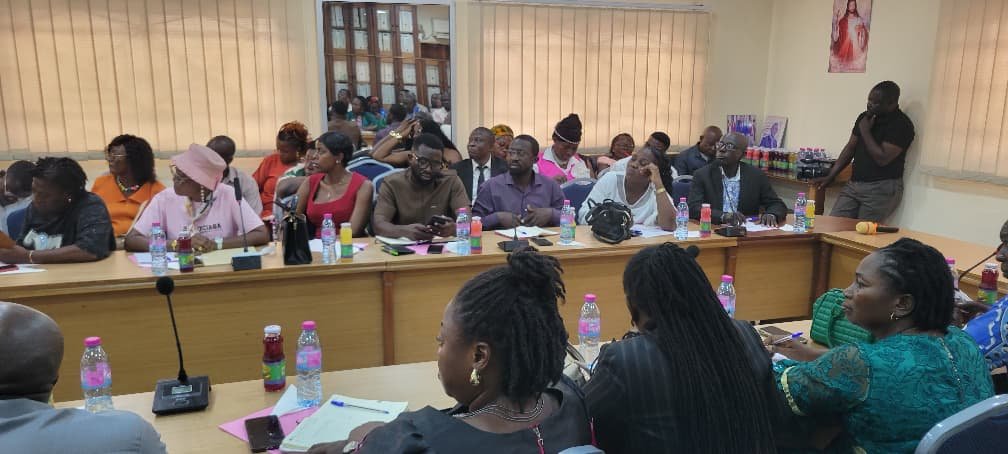
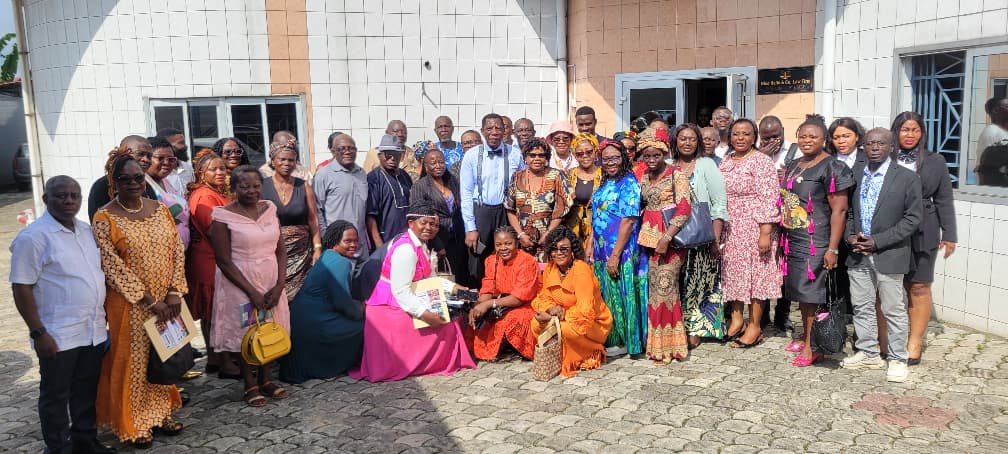
The Nico Halle & Co Law Firm has hosted a one-day seminar aimed at raising awareness on the importance of wills, estate planning, and succession management in Cameroon.
Held on November 6, 2026, at the conference hall of the Nico Halle Law Firm in Douala, Littoral Region, the seminar was facilitated by Sir Dr. Ntumfor Barrister Nico Halle, under the theme, “Establishment and Execution of Formal and Informal Wills.”
The session brought together participants from different professional backgrounds who sought to understand how wills can protect families, reduce inheritance disputes, and ensure that a person’s property is distributed according to their wishes after death.

The importance of a will
Speaking during the seminar, Barrister Nico Halle explained that death can occur unexpectedly, making it important for individuals to prepare a will early. He noted that a properly prepared will provides clear guidance on how property should be shared among children, spouses, and other beneficiaries.
He stressed that succession disputes often divide families and can lead to prolonged conflicts, especially where there is no written document indicating the wishes of the deceased.
According to the legal practitioner, a will is not only for wealthy individuals. It is also important for anyone who owns property, operates a business, or has family members who depend on them.
Legal framework for wills
Barrister Bradley Mbanwie presented the jurisdiction, characteristics, conditions for a valid will, and the different types of wills recognized under the law.
He explained that a valid will must meet specific legal requirements, including the capacity of the person making it, proper witnessing where required, and clear expression of the testator’s intentions. He also outlined the differences between formal and informal wills.
While formal wills follow established legal requirements and offer stronger legal protection, informal wills may still provide guidance to family members, particularly where a person has not completed a legally valid document.
Contesting and revoking wills
Dr. Mrs. Francine Njekam addressed the contestation, revocation, alteration, and revival of wills.
She explained that a will may be challenged where there are concerns over the mental capacity of the person who made it, undue influence, fraud, or failure to comply with legal requirements. She also noted that a testator may revoke or amend a will during their lifetime, provided the legal conditions are respected.
Her presentation highlighted the importance of keeping wills updated, especially after major life events such as marriage, divorce, the birth of children, the acquisition of new property, or changes in family circumstances.
Intestate succession
Dr. Barrister Laura Nangah discussed intestate succession under the common-law jurisdiction, while Dr. Barrister Vigiline Tise presented intestate succession under the civil-law jurisdiction.
Their presentations explained what happens when a person dies without leaving a valid will. In such circumstances, the distribution of the deceased person’s estate is determined by the applicable succession rules, rather than by the personal wishes of the deceased.
The resource persons emphasized that dying without a will can create uncertainty, delay the settlement of an estate, and increase the likelihood of disputes among family members.
Rights of surviving spouses
The seminar also addressed the rights of surviving spouses under the civil-law system. Barrister Nico Halle explained that although a spouse may not automatically be first in line to inherit, the law provides certain rights of use over property, depending on the circumstances.
He noted that understanding these rights is important for spouses and families, particularly when planning for the future and seeking to avoid misunderstandings after death.
The law of love
Barrister Nico Halle also stressed the role of love and what he described as the law of love in estate planning.
According to him, writing a will should not be seen only as a legal exercise, but also as an act of responsibility, care, and love toward one’s family. He explained that spouses should involve one another when preparing a will, ensuring that both parties understand the arrangements being made for the family’s future.
Barrister Nico Halle emphasized that transparency between spouses can help prevent suspicion, resentment, and conflict after the death of one partner. When a spouse is informed about the existence and content of a will, it becomes easier for the family to accept the distribution of property and move forward peacefully.
He further urged individuals to apply the law of love when distributing their property. Considering the needs, welfare, and dignity of all loved ones, including spouses, children, and other dependants. Rather than allowing greed, rivalry, or personal interests to guide inheritance decisions, a person should seek fairness and unity within the family, he noted.
According to the legal luminary, love should guide not only the drafting of a will, but also the manner in which the estate is shared. A will prepared with love, honesty, and clear communication can protect relationships and reduce the risk of disputes after the testator’s death.
The true value of a will, Barrister Nico Halle said, lies not only in the distribution of property, but in the peace, stability, and family harmony it can preserve for future generations.
The seminar ended with participants expressing appreciation for the practical insights shared on estate planning, family protection, and the prevention of succession-related conflicts.