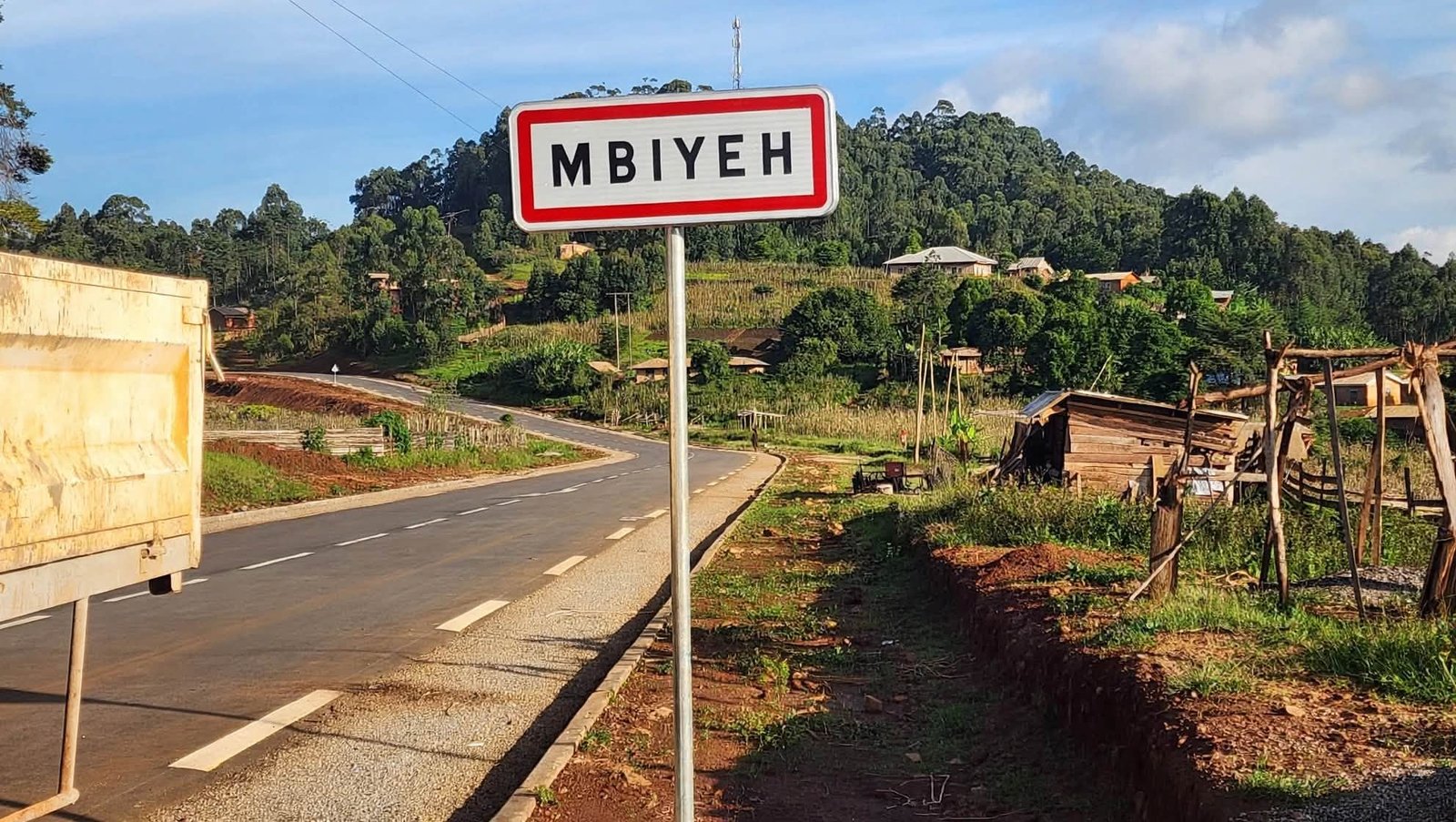
The Ministry of Public Works (MINTP) has announced the completion and provisional reception of the 31-kilometre Ndu–Nkambe section (Lot 2) of the Kumbo–Ndu–Nkambe–Misaje road, part of National Road No. 11, popularly known as the Ring Road. The road links five of the seven administrative divisions of the North West Region.
Co-financed by the Government of Cameroon and the African Development Bank (AfDB), the 88-kilometre Kumbo–Ndu–Nkambe–Misaje road project is being executed in three lots. The Ndu–Nkambe section, constructed by MAG SARL, a leading indigenous engineering and construction company, was completed on October 8, 2026, according to a communiqué from the Ministry.
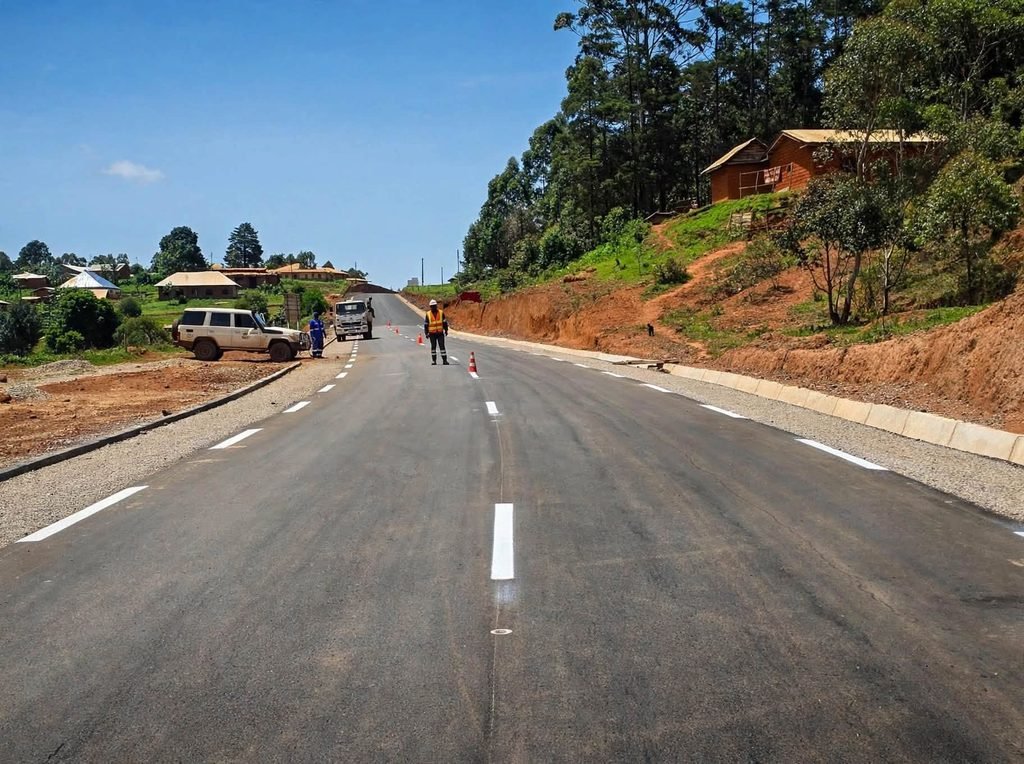
The document, a copy of which was obtained by NewsWatch, attributed the achievement to the efforts of an all-Cameroonian workforce comprising 235 permanent staff members, including 40 women, and 400 labourers employed by the company during the construction process.

“The Government of Cameroon took on a bold challenge by executing this project in the North West Region, an area plagued by insecurity. With the support of its technical and financial partner, the African Development Bank, the Government successfully completed the 31-kilometre Ndu–Nkambe section,” the Ministry said in the communiqué announcing the provisional reception.
The Ministry added that the project was intended to strengthen connectivity between Cameroon and Nigeria while improving access to isolated communities in the North West Region. It said to facilitate construction in the security-challenged area, the President of the Republic established a security framework to support the project and enable MAG SARL to carry out its operations.
MAG SARL prioritises local employment
The Ministry of Public Works commended MAG SARL for recruiting 187 workers from within the project area. It also noted that 400 labourers were engaged on a short-term basis through local subcontractors during the construction of the project’s base camp.
Throughout the construction period, there were no layoffs or threatened strikes, and all wages were paid on time, the Ministry said.
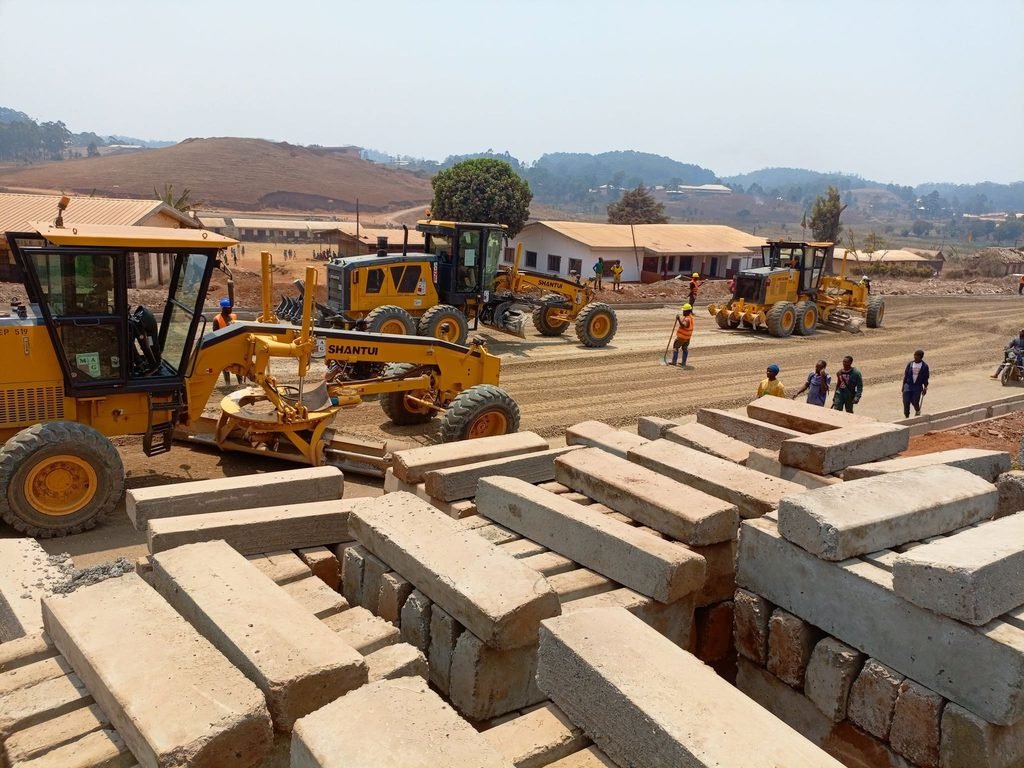
The project involved 135 different professional roles spanning topography, civil engineering, geotechnical engineering, environmental services, vehicle maintenance, masonry, mechanics, welding, heavy-equipment operation, administration, security and road safety.
Operational personnel—including equipment operators, skilled and general labourers, and drivers—accounted for 62 per cent of the workforce. The management and supervisory team comprised 15 engineers and other experts.
Women were employed in administrative roles, including human resources and secretarial work, as well as cleaning and timekeeping. Another 21 women served as traffic flaggers at the construction site, according to the Ministry.
Work progressing on remaining sections
Meanwhile, construction on the two other lots of the Kumbo–Ndu–Nkambe–Misaje road project is progressing, according to the Ministry of Public Works.
As of October 10, 2026, physical progress on the 39-kilometre Kumbo–Ndu section (Lot 1) had reached 68.23 per cent. The section is being constructed by BUNS SARL, which the Ministry said remained committed to delivering the project as quickly as possible.
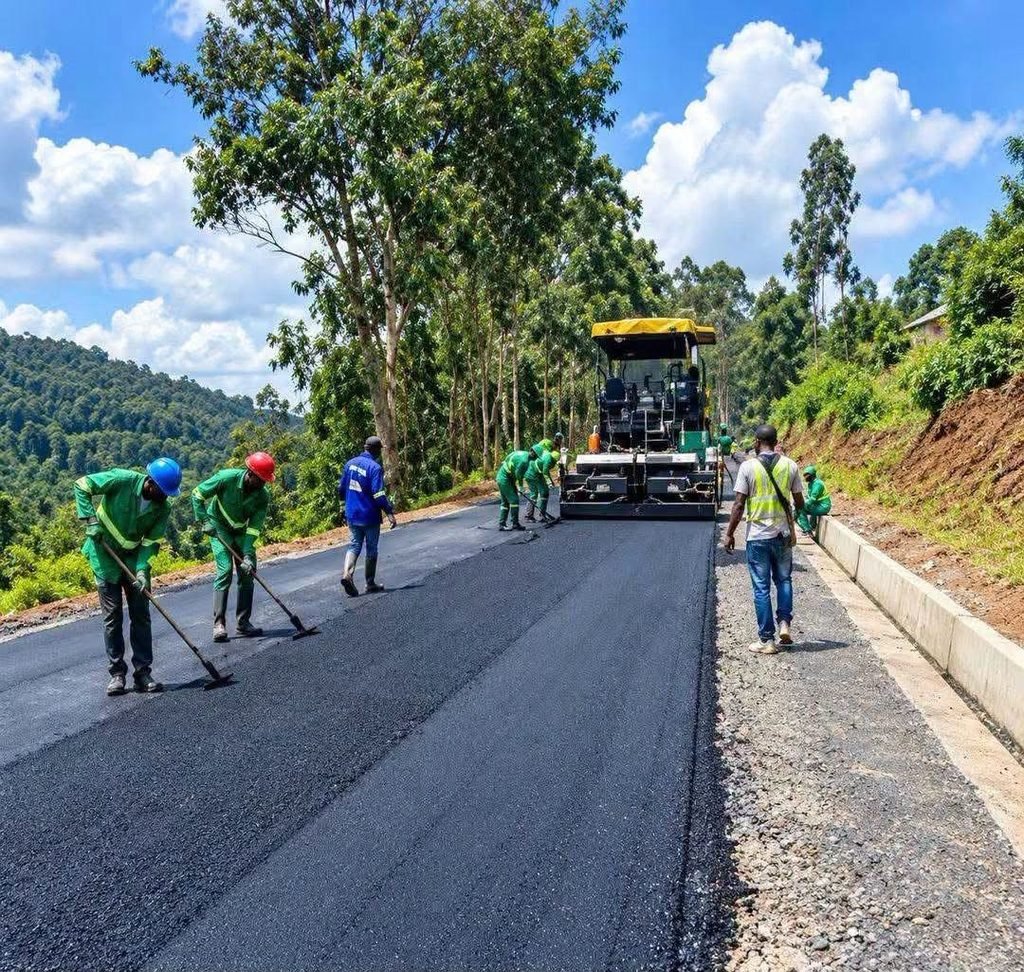
The 18-kilometre Nkambe–Misaje section (Lot 3), being executed by a a joint venture between BOFAS Sarl and SUPER CONFORT Sarl, has faced delays related to right-of-way constraints and equipment adjustments. However, progress had improved, reaching 39.94 per cent as of October 5, 2026.
According to the Ministry, the contractor remains active on site. During the first week of October 2026, construction teams worked on hydraulic structures and bridges, while drainage system components were prefabricated.
“The contractor has started laying the base course and awaits conducive weather conditions to resume pavement works,” the Ministry said in a separate statement.
According to the African Development Bank, completing all three lots is expected to help unlock the economic potential of the North West Region by improving domestic transport and strengthening cross-border trade with neighbouring Nigeria through the Misaje intersection.