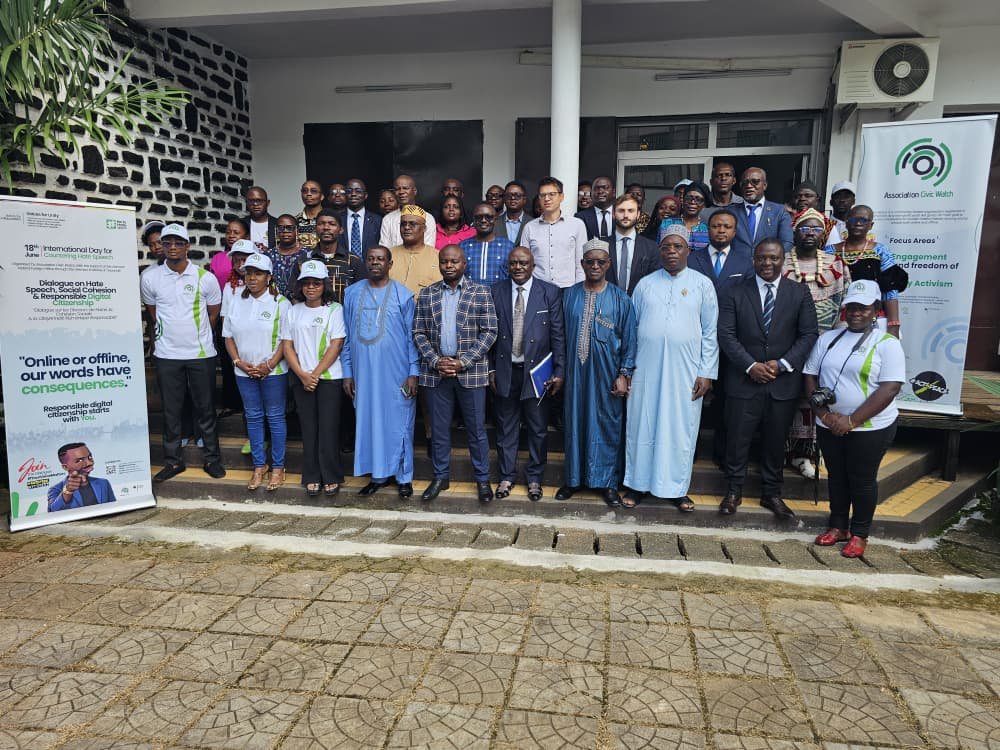
Members of Parliament from conflict-affected regions have warned that hate speech, misinformation and divisive rhetoric pose a serious threat to national cohesion and could further inflame existing tensions if left unchecked ahead of Cameroon’s 2027 municipal and legislative elections.
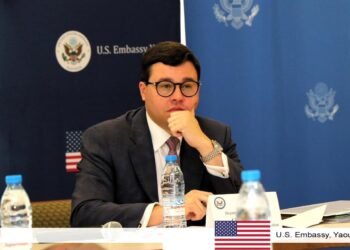
The warning was issued during a stakeholders’ dialogue organised by Civic Watch Cameroon Association in Yaounde on June 18 to commemorate the International Day for Countering Hate Speech. Held at the Friedrich Ebert Stiftung under the theme, “Dialogue on Hate Speech, Social Cohesion and Responsible Digital Citizenship,” the event brought together government officials, lawmakers, diplomats, civil society actors, traditional rulers and religious leaders.
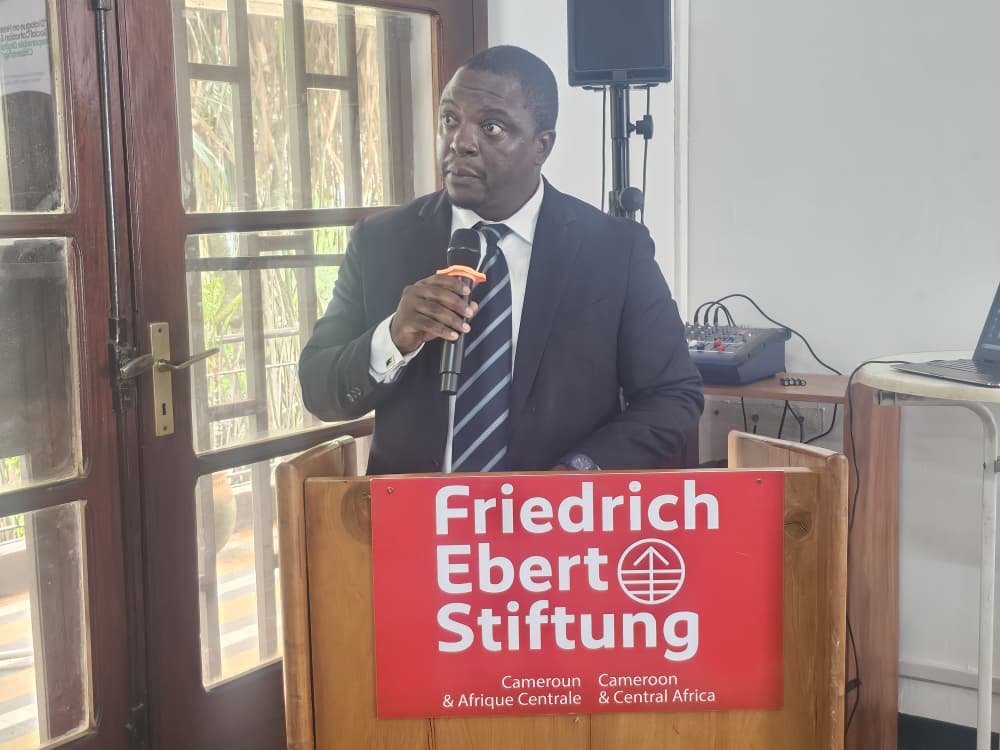
Drawing from experiences linked to the armed conflict in the North West and South West regions and other communal tensions across the country, five Members of the National Assembly unanimously described hate speech as a dangerous social ill that requires urgent and collective action.

The panel featured Hon. Agho Oliver (Tubah/Bafut), Hon. Awutah Phillip Atubah (Momo West), Hon. Peter Njume (Ndian), Hon. Koupit Adamou (Noun Centre), and Hon. Yaya Ndoumba Marius (Mbéré), who also serves as the Lamido of Djohong.
Hon. Agho argued that misinformation and hate speech contributed significantly to the escalation of the Anglophone crisis. He recalled that during the early stages of the teachers’ and lawyers’ strikes, false reports circulated on social media alleging that union leaders meeting government officials in Bamenda were being forced to sign agreements, prompting public unrest.
Hon. Peter Njume blamed political and social elites for promoting divisive narratives for personal and political gain, while Hon. Koupit Adamou condemned the growing use of ethnic and geographic stereotypes that undermine social harmony.
Hon. Awutah warned that hate speech, if ignored, could evolve into wider conflict, drawing parallels with the trajectory of the Anglophone crisis. He encouraged citizens to use available legal channels to challenge discrimination and incitement.
From the Adamawa Region, Hon. Yaya linked hate speech to perceptions of injustice and unequal resource distribution. Drawing from his experience in refugee-hosting communities, he advocated civic education, inter-community dialogue and stronger involvement of traditional and religious leaders in peacebuilding efforts.
The concerns were echoed by the Chief Executive Officer of Civic Watch Cameroon Association, Dr. Ngala Desmond Ngala, who warned that hate speech has evolved into a weaponised tool amplified through platforms such as Facebook, WhatsApp, TikTok and X.
“Hate speech does not only offend but contaminates minds. False or manipulated content now travels faster than facts,” he said, citing recent intercommunal violence in Zoetele as evidence of how online rumours can rapidly translate into real-world conflict.
With the 2027 elections approaching, he called for greater investment in media literacy, independent fact-checking and protection for journalists and civic actors facing online harassment.
In a keynote address, United Nations Peace and Development Adviser to Cameroon, Dr. Stean Tshibanda Auguste, warned that hate speech often precedes violence and mass atrocities.
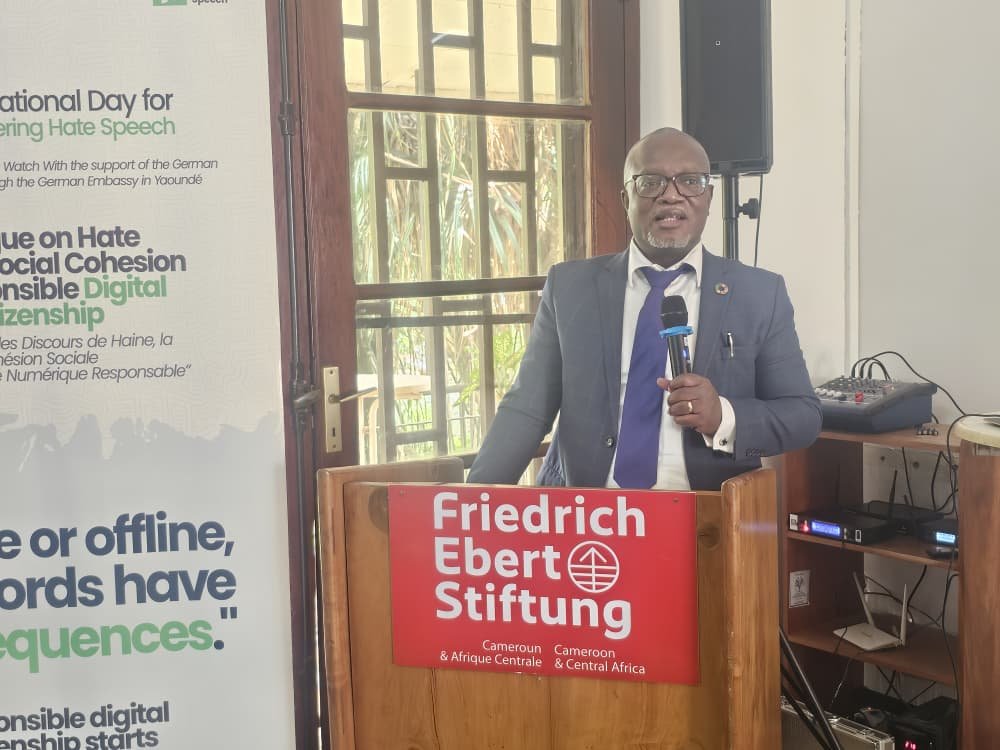
“History teaches us that hate speech is never merely a matter of words. If left unchecked, it can fuel discrimination, violence and conflict,” he said, noting that digital algorithms often amplify divisive content because it attracts engagement.
He urged stakeholders to implement the UN Strategy and Plan of Action on Hate Speech and the Global Principles for Information Integrity, stressing that freedom of expression should never be used to justify incitement to violence, discrimination or exclusion.
The event also marked the official launch of the Civic Watch project, “Protecting Civic Space Online and Offline: Countering Hate, Discrimination and Media Repression in Cameroon.”