
International digital rights advocacy organisation Paradigm Initiative (PIN) has intensified efforts to strengthen the protection of digital rights in Cameroon, convening key stakeholders in Yaounde on Monday, June 8, 2026, for a joint capacity-building and policy engagement workshop.
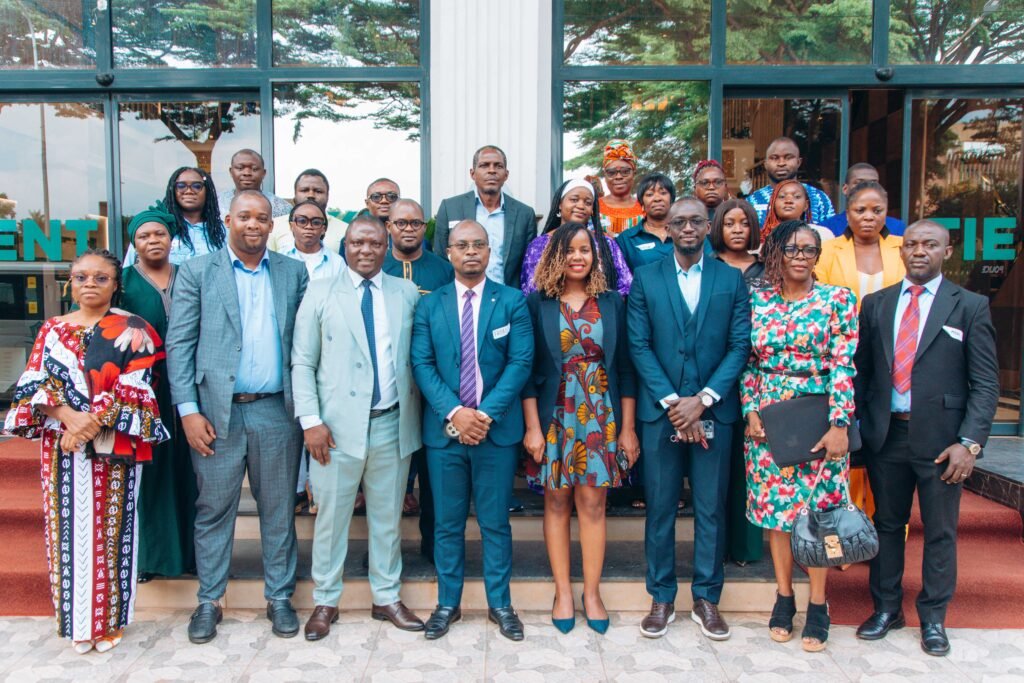
Organised in partnership with the youth-led community organisation Civic Watch, the event at the United Hotel was held as part of PIN’s Digital Policy Engagement Series (DIPES) and the Digital Rights Academy (DRA) Cameroon.
The workshop brought together journalists, policymakers, regulators, civil society organisations, legal experts, and other stakeholders in the digital sector to assess the state of digital rights governance in the country.

The Digital Rights Academy component focused on strengthening the capacity of civil society organisations and human rights defenders to hold perpetrators of digital rights violations accountable. Participants received training on documentation strategies, legal procedures and available mechanisms for securing effective legal remedies.
The DIPES segment, meanwhile, examined the principal legal and policy frameworks governing digital rights in Cameroon. These include Law No. 2010/013 of December 21, 2010, on electronic communications, as amended by Law No. 2015/006 of April 20, 2015, and Law No. 2010/012 of December 21, 2010, on cybersecurity and cybercrime, subsequently amended by Law No. 2019/020 of December 24, 2019.
Speaking to journalists, Thobekile Matimbe, Senior Manager for Partnerships and Engagements at Paradigm Initiative, said the exercise was designed to assess Cameroon’s implementation of international treaties and conventions it has ratified.
She stressed that PIN is not seeking to introduce new regulatory frameworks but rather to leverage existing laws and policies to ensure that rights enjoyed offline are equally protected online.
“Rights online, rights offline,” she said.
Matimbe further noted that the organisation’s objective is not merely to criticise governments but also to promote constructive engagement by recognising progress where it exists. In this regard, she commended Cameroon for efforts aimed at protecting children in the digital space.
“In some African countries, governments distort cybersecurity laws to suppress freedom of expression and silence critics, including opposition figures, journalists and activists,” Moussa Walt Sene, Programmes Officer for Francophone Africa at Paradigm Initiative, told journalists.
According to Sene, the workshop would help identify loopholes within existing legal frameworks that can be exploited by authorities to infringe on digital rights.
The workshop was convened against the backdrop of the 2025 LONDA Report, released by PIN in April 2026, which showed Cameroon dropping ten places in Africa’s digital rights rankings.
The decline was attributed largely to government-imposed internet disruptions between October 23 and November 7, 2025, a period that coincided with delays in the announcement of presidential election results. Dr. Ngala Desmond Ngala, the founder and CEO of Association Civic Watch said stakeholders are working with Parliament to ensure that digital rights concerns are tabled during the June ordinary session of Parliament, which opens today in Yaounde.