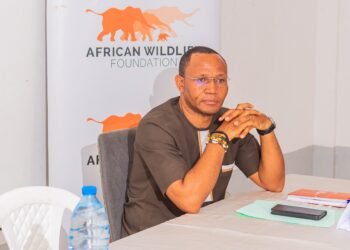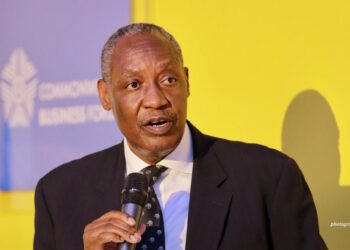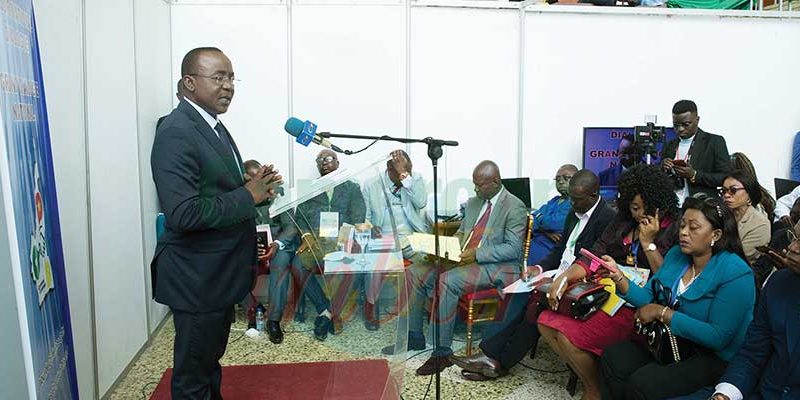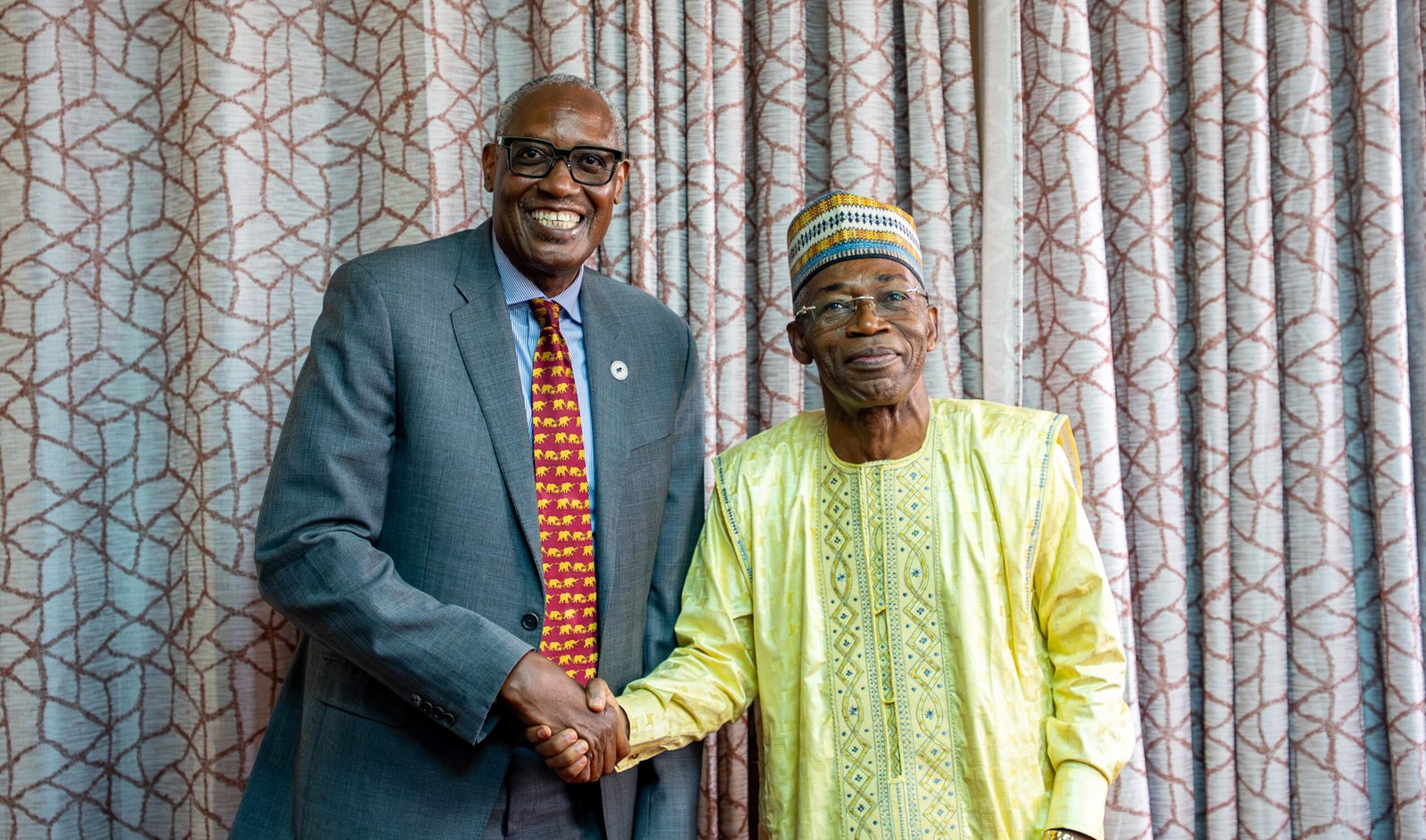
The Chief Executive Officer of the African Wildlife Foundation (AWF), Kaddu Sebunya, has reaffirmed the organisation’s commitment to strengthening its conservation partnership with Cameroon as it marks a decade of operations in the country.
Since establishing its Cameroon office in 2016, the Kenya-based conservation body has worked closely with the government, local communities, and partners to promote a future where wildlife and people coexist sustainably.
As part of activities marking its 10th anniversary, Sebunya undertook a week-long visit to Cameroon from April 19 to 25. During the visit, he toured key conservation landscapes, engaged with staff, met donor partners, and held discussions with senior government officials.

Speaking to reporters at the AWF Cameroon office in Yaounde at the end of his visit, Sebunya said his engagements focused on reviewing progress made over the past decade while laying the groundwork for future expansion.
“I came here to appreciate the government of Cameroon for the partnership we’ve had over the last 10 years and what we’ve been able to achieve,” he said. “Most of the discussions were about looking back—where we started and where we are now—while also focusing on the future.”
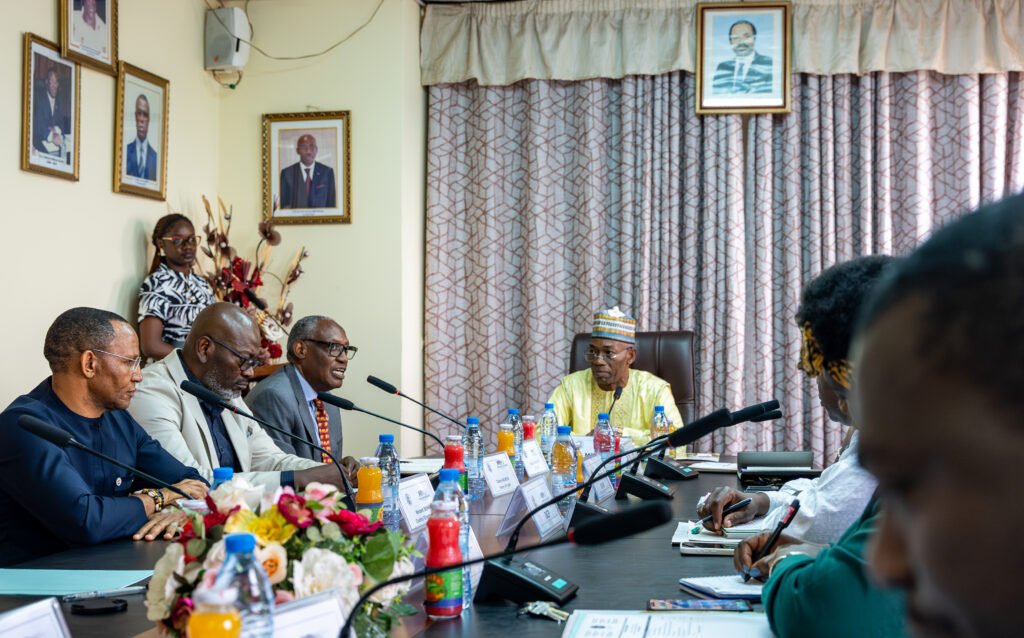
The visit also included high-level meetings with donor partners such as the European Union, which Sebunya described as a key supporter of conservation efforts in Cameroon.
“It was encouraging to see the level of appreciation for our work and the collaboration between government, donors, and our local team. We’ve built a framework, a model, and a clear understanding of what needs to be done,” he said, in the presence of AWF’s Country Director, Norbert Sonne.
Strategic ecosystems prioritised
AWF’s conservation efforts in Cameroon are concentrated in three major ecological landscapes: Faro National Park, Dja Faunal Reserve, and Campo Ma’an National Park.
These areas—representing savannah, forest, and coastal ecosystems—account for more than 20 percent of the country’s biodiversity, Sebunya said. He explained that both the government and AWF agreed on the need to scale up conservation efforts in these landscapes through increased investment, faster implementation, and stronger partnerships.
“These landscapes are not only vast and rich in biodiversity, but they also reflect the ecological diversity of the country…We agreed that we need to do more, move faster, and mobilise more resources,” the AWF CEO noted.
A decade of growth and impact
Reflecting on AWF’s 10-year presence in Cameroon, Sebunya described the progress made as significant, despite the long-term nature of conservation work.
He revealed that the organisation’s annual budget in Cameroon has grown from less than $500,000 at inception to more than $4 million today—an indication of increased donor confidence and programme impact.
“This growth reflects strong government relations, success in the field, and the support of communities that have embraced our approach,” he said.
Beyond financial growth, AWF has prioritised partnerships and community-driven conservation models, enabling it to achieve impact beyond its direct funding.
“The work we’ve done is bigger than the budget because of the coalitions we’ve built—with government officials, eco-guards, and local communities,” he added.
Community-centred conservation
A key pillar of AWF’s strategy has been its emphasis on involving local communities in conservation efforts. Sebunya argued that enforcement-heavy approaches, such as fencing protected areas or relying solely on armed patrols, are costly and unsustainable.
“Our approach is different. We believe people living near these areas are part of the solution, not the problem,” he said.
He noted that many individuals involved in activities such as hunting often do so out of necessity and can shift to alternative livelihoods when viable options are provided.
AWF has implemented initiatives such as training Baka communities in sustainable cocoa farming and fish production, helping reduce dependence on hunting while improving livelihoods, particularly around the Dja landscape.
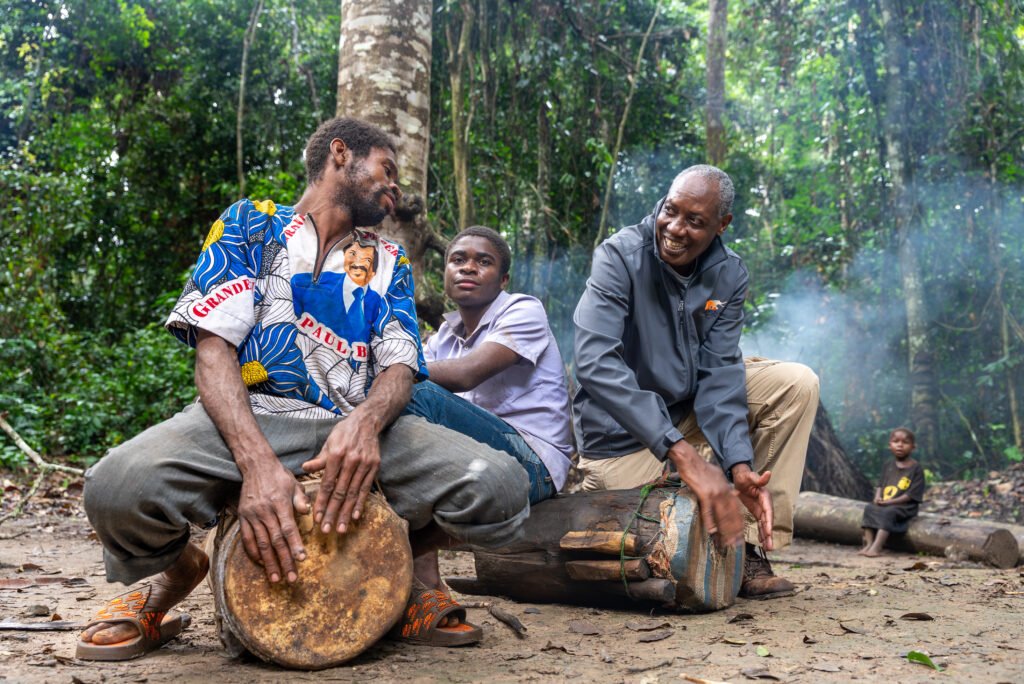
“When people see better, safer ways to earn a living, they choose them. No one wants to risk their life hunting in the forest if there are alternatives,” Sebunya said.
Challenges and lessons learned
Despite notable progress, Sebunya acknowledged ongoing challenges, particularly in balancing conservation goals with the needs of communities living near protected areas. He cited limited resources and capacity to manage human-wildlife interactions as persistent concerns.
However, he emphasised that AWF has, over the years, developed practical strategies in collaboration with partners to address these issues.
Efforts have included strengthening eco-monitoring systems, training eco-guards, and supporting management plans for protected areas such as the Dja Reserve.
“You cannot manage what you do not understand,” he said. “We’ve invested in understanding these ecosystems—what species exist, where they are, and how they interact—so we can manage them effectively.”
Sebunya also called for what he described as the “decolonisation of conservation,” urging greater inclusion of local knowledge and leadership in protecting Africa’s natural heritage.