Some European countries have backed an initiative to end deforestation in Central Africa, home to the world’s second-largest tropical rainforest. Belgium, Germany and Norway, as well as the Central African Forest Initiative (CAFI) collectively committed USD 93 million (approximately FCFA 52,594,569,000) in risk capital to Canopy Trust to that effect at the ongoing COP30 in Belem, Brazil.
Canopy Trust is a blended-finance mechanism launched earlier this year to draw private investors into zero-deforestation value chains in Cameroon, Central African Republic (CAR), the Democratic republic of Congo (DRC), Gabon and Congo which together with Equatorial Guinea form the Congo Basin rainforest.
The facility seeks to turn high-level climate pledges into bankable projects by mobilizing at least USD 500 million (approximately FCFA 282,766,500,000) in the next five years to help protect the second-largest rainforest in the world and end deforestation in the Congo Basin by 2030.

In a statement on Monday, Swiss-based Catalytic Finance Foundation, implementer of Canopy Trust said through new employment opportunities and income generation from deforestation-free value chains, communities in Central Africa can feed their families and prosper while protecting their forests.
A global carbon sink of critical importance, the Congo Basin covers 30% of Africa’s forest area with the Democratic Republic of Congo hosting the largest portion –around 60% of the tropical rainforest.
“Canopy Trust’s innovative approach will help us attract responsible private investment to develop value chains that respect our environmental commitments while driving the sustainable industrialization our citizens deserve”, said Marie Nyange Ndambo, DRC’s Minister of Environment, Sustainable Development and New Climate Economy. “We are committed to accelerating reforms that improve the business environment, so that investors can partner with us with confidence and scale sustainable growth”, she said further.
The Minister of Forest Economy of the Republic of Congo [Brazzaville], Rosalie Matondo said Denis Sassou Nguesso’s country views the Canopy Trust as a strategic instrument for leveraging their natural capital—a mechanism that demonstrates that biodiversity conservation can and must go hand in hand with a dynamic forest economy.
“By coherently mobilizing public policies, concessional financing, and private capital, it is time to shift the paradigm by transforming the protection of our ecosystems into a genuine force for creating sustainable value for our country and for all”, she said.
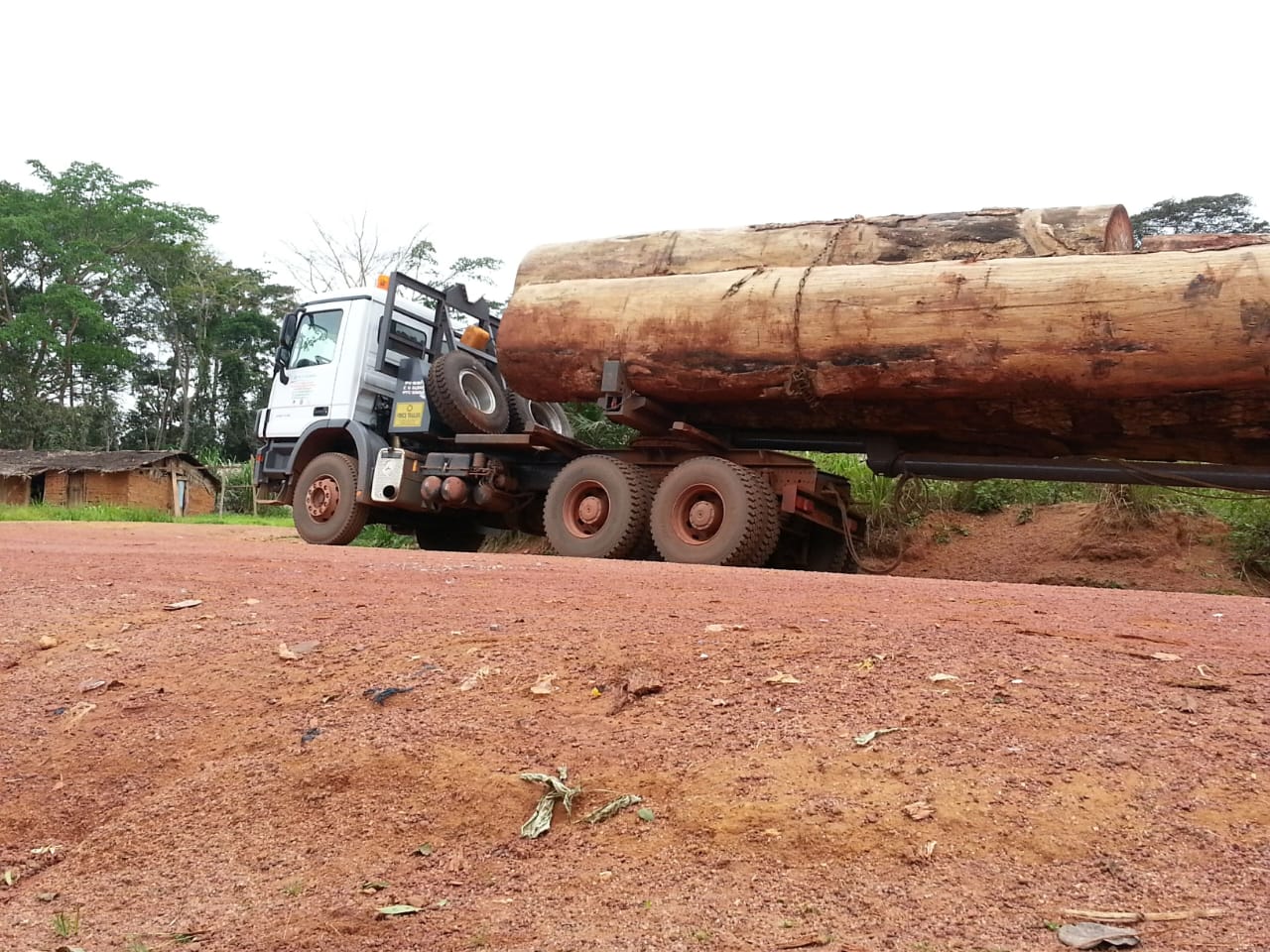
Central Africa’s forests, covering 240 million hectares and storing an estimated 40 gigatons of carbon, remain one of the world’s greatest climate assets. But like the world’s biggest rainforest – the Amazon, and the third-largest rainforest globally – the Borneo-Mekong, it faces significant challenges including deforestation from logging, agriculture, and mining.
“Preserving the Congo Basin forests is vital to achieving our global climate and nature goals”, said Andreas Bjelland Eriksen, Norway’s Minister of Climate and Environment. He said the Canopy Trust initiative builds on and complements Norway’s long-standing commitment to partnerships that reduce deforestation and strengthen local livelihoods in the Congo Basin, including the Central African Forest Initiative.
Germany’s State Secretary, Federal Ministry for Economic Cooperation and Development (BMZ), Niels Annen said Berlin’s development cooperation places forest protection as well as sustainable land use at the heart of climate action and biodiversity conservation.
He said they are committed to the Canopy Trust as the initiative reflects Germany’s belief that blended finance can unlock new pathways for private investment in sustainable economies.
“Together with our partners in Central Africa, we can promote deforestation-free growth”, Annen said. “We also support good governance, ensuring that forest communities benefit directly from sustainable value chains”, he added.