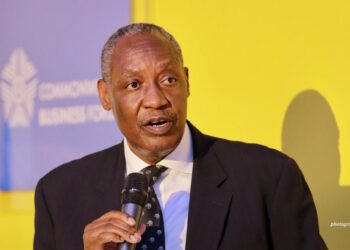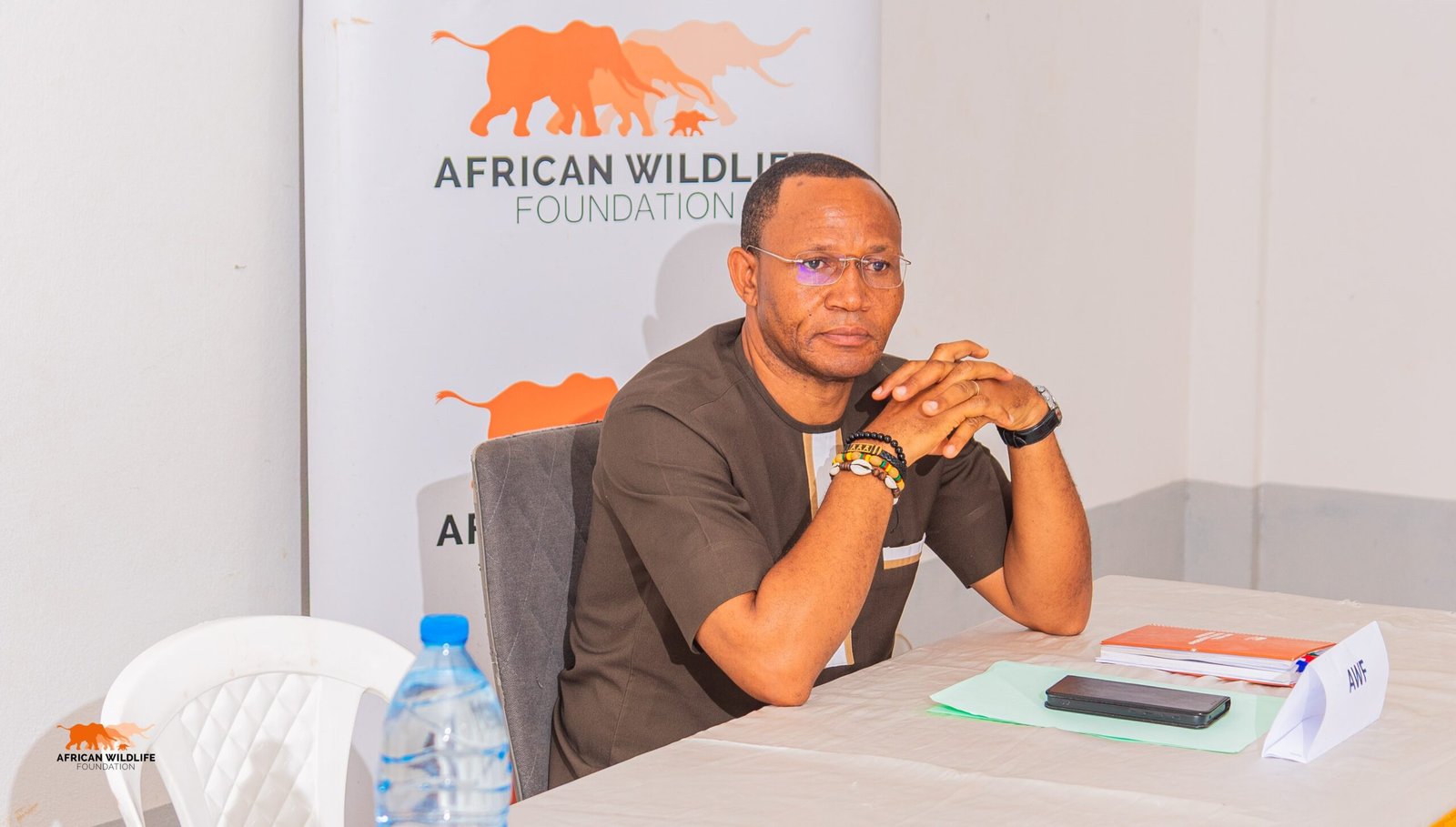
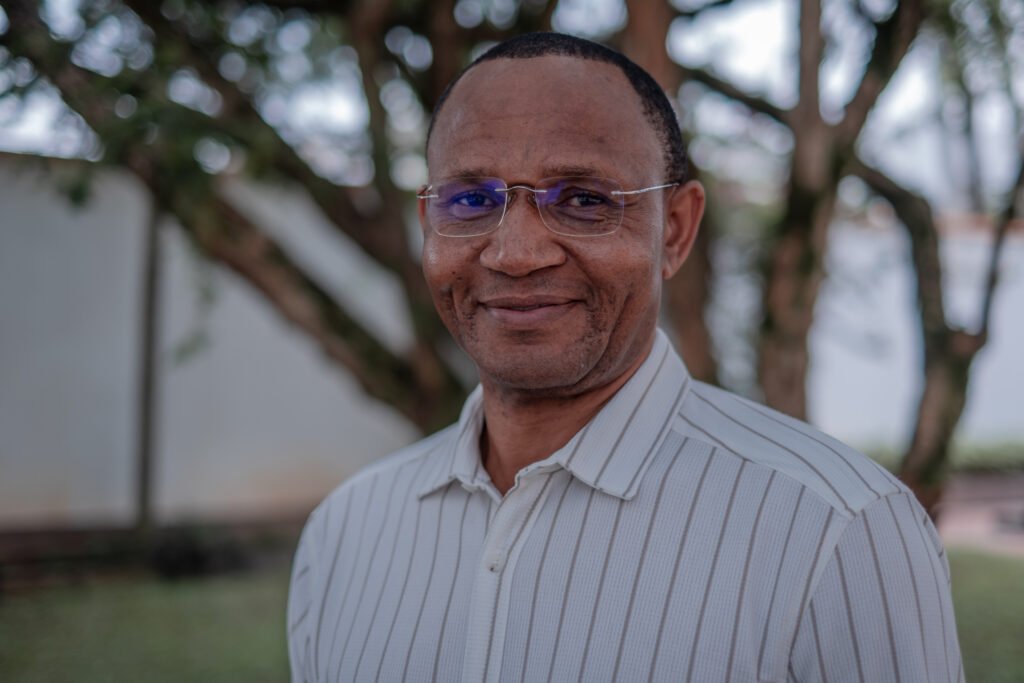
Conservation organisation, the African Wildlife Foundation (AWF), is celebrating a decade of operations in Cameroon, with its Chief Executive Officer (CEO), Kaddu Sebunya, scheduled to visit the country from Sunday, April 25. Ahead of the visit, NewsWatch sat down with Norbert Sonne, AWF Cameroon Country Director.
In an exclusive interview with Ndi Eugene Ndi, Sonne discusses the milestones achieved—from renewed wildlife sightings and strengthened anti-poaching efforts to improved livelihoods for local communities. He also addresses the challenges and evolving strategies needed to tackle emerging conservation threats in the years ahead, as well as what the AWF CEO’s maiden visit means for conservation in Cameroon.
Excerpts:

NewsWatch: Mr Sonne, after AWF’s 10 years of presence in Cameroon, what are some of the organisation’s measurable impacts in terms of wildlife protection and community livelihoods over the last decade?
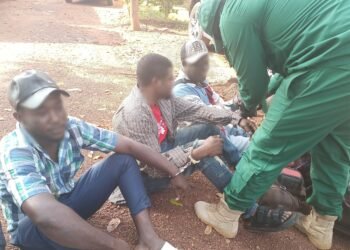
Norbert Sonne: Thank you very much.Although AWF started activity implementation in Cameroon in 2015, AWF had already been carrying out activities in Cameroon way before that. In 1970, AWF assisted in the establishment of the Garoua Wildlife School.It’s true, AWF has now maintained a presence in Cameroon for a decade, focusing our efforts on the Dja, Faro, and Campo landscapes through partnerships with over 100 local communities across the East, South, and North Regions. By partnering with the Ministry of Forestry and Wildlife (MINFOF), AWF has engaged its efforts in the Dja Faunal Reserve, Faro National Park, and Campo Ma’an National Park, AWF has partnered with over 100 local communities across the East, South, and North Regions of Cameroon. This work is made possible through the support of the MINFOF and funding from key donors, including the European Union, UNESCO, KFW, FEDEC, and the GEF. In terms of wildlife protection, our increased patrol efforts, exceeding 10,000 days annually in the Campo landscape, resulted in the first confirmed sighting of a leopard in the area in 22 years. In the Dja landscape, our support for law enforcement under the ECOFAC 6 project led to the arrest of 123 individuals and the seizure of 46 firearms. Regarding livelihoods, we have focused on sustainable economic transitions. In the Dja, cocoa prices for supported farmers rose from $0.94/kg (about FCFA 525) in 2017 to $1.64/kg (over FCFA 900) in 2021.
Furthermore, our community support programs have established fishponds benefiting 1,300 people as a protein alternative to bushmeat, and we have distributed over half a million cocoa plants and thousands of fruit seedlings across the Campo landscape to diversify local income.
NewsWatch: What are the biggest threats currently facing conservation efforts in Cameroon, and how is AWF adapting its strategy to address the issues?
Norbert Sonne: The threats to Cameroon’s biodiversity are diverse and landscape-specific. In the Dja landscape, we face ongoing poaching, illegal logging, and land-use conflicts between conservation and community farming. In the Campo landscape, human-wildlife conflict—specifically crop raiding—and the need for sustainable alternatives to bushmeat are primary concerns. In the Faro landscape, challenges include negative transhumance driven by dry climatic conditions and transboundary wildlife crime due to proximity with Nigeria, Chad, and Niger.
Across all our operational landscapes, we engage with indigenous and vulnerable populations, including the Mbororo in Faro, the Bagyeli in Campo, and the Baka in Dja. Recognizing that working with these communities requires a high degree of sensitivity and specialized care, AWF has implemented a Rights-Based Conservation approach to ensure their voices are central to our strategy. This is reflected in our creation of formal grievance mechanisms and land-use committees. These approaches have directly benefited wildlife; recent surveys in AWF landscapes have recorded an increase in certain populations, notably a rise in the hippopotamus population in Faro, with wildlife observed moving back toward the park entrance. Furthermore, community members are increasingly acting as partners in conservation, actively identifying and reporting trafficked wildlife to facilitate rescues. In Faro, we are also reducing transhumance pressures through transboundary dialogue involving over 1,000 participants and the creation of associations like TANGO to manage these movements.
Technically, we are investing in infrastructure, such as 400 km of roads and watchtowers in Faro, to improve patrol accessibility and real-time monitoring. We have also constructed and renovated rangers’ houses in Dja and Faro.
NewsWatch: With Kaddu Sebunya visiting Cameroon for the first time as CEO, what concrete outcomes or new commitments should Cameroonians expect from this visit?”
Norbert Sonne: With Kaddu Sebunya visiting Cameroon for the first time as CEO, Cameroonians can expect concrete outcomes that strengthen both conservation and community well-being. First, AWF will reaffirm its commitment to supporting the Government of Cameroon in the management of Protected Areas, ensuring that national priorities are backed by strong technical and institutional collaboration. Second, AWF will increase its investment and support to conservation initiatives and to local communities, including Indigenous Peoples living in the peripheries of Protected Areas, so that conservation delivers tangible benefits for those who safeguard biodiversity every day. This visit signals a renewed partnership and a deeper commitment to ensuring that Cameroon’s landscapes remain resilient and that communities are empowered as co‑leaders in conservation.